Who / What
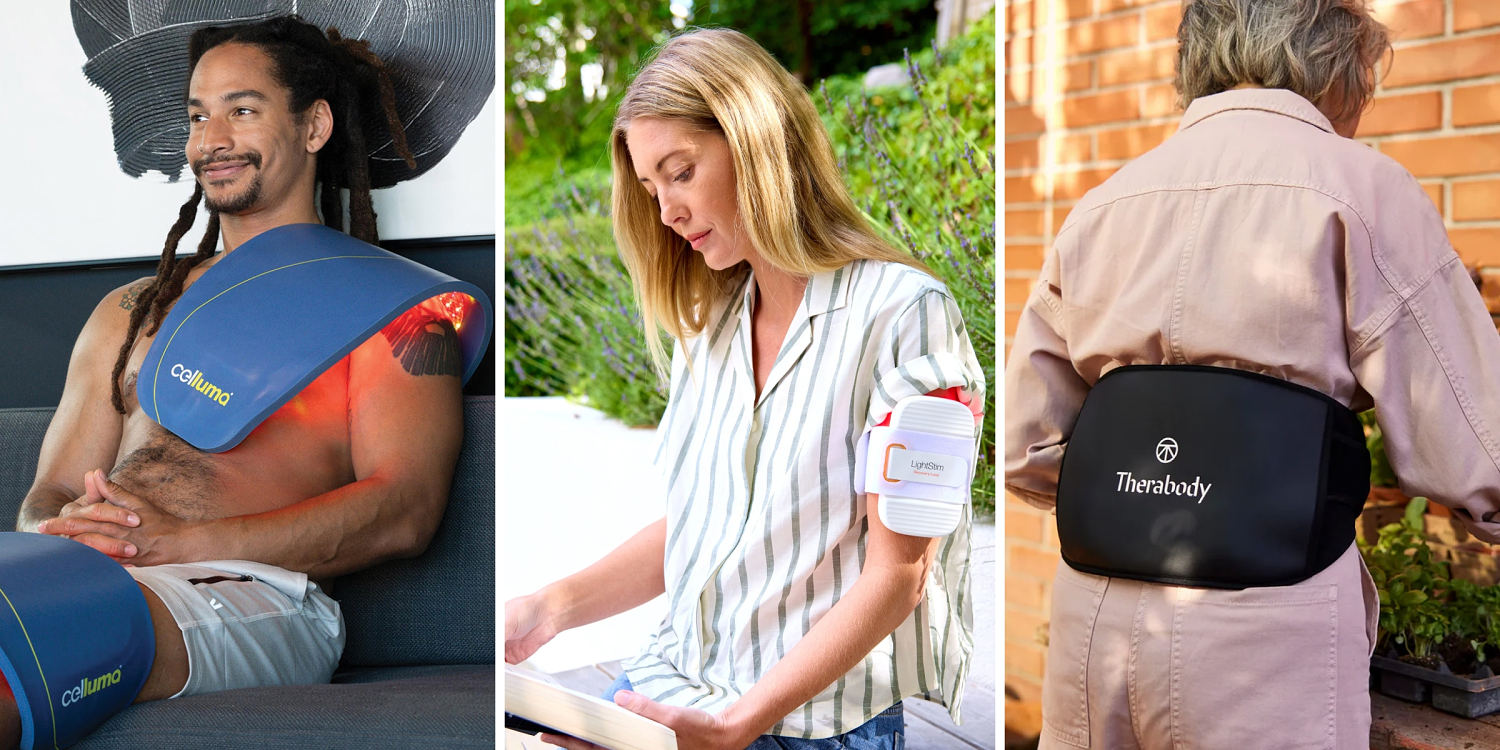
Low-level laser therapy (LLLT) is a medical treatment that uses low-power lasers or LEDs to apply light to the body's surface. It's also known as cold laser therapy or photobiomodulation (PBM). The treatment aims to stimulate healing, relieve pain, and improve cell function without damaging tissue.
Background & History
The origins of LLLT can be traced back to the 1960s in the Soviet Union, with research exploring the effects of laser irradiation on biological tissues. Early studies investigated its potential for accelerating healing and reducing inflammation. Over time, research expanded to explore various applications, leading to its use as a therapeutic modality in numerous medical fields. It has gained increasing acceptance globally as a treatment option.
Why Notable
LLLT is notable for being a relatively safe and non-invasive treatment with potential benefits across various conditions, including pain management and wound healing. It offers a promising alternative or complementary approach to conventional therapies. Proponents claim it stimulates healing, relieves pain, and enhances cell function, making it an area of ongoing research and clinical application.
In the News
LLLT continues to gain attention as a potential treatment for musculoskeletal pain, sports injuries, and wound healing. Recent developments include research into optimizing wavelengths and treatment parameters for specific conditions. Its growing popularity reflects a trend toward exploring non-pharmacological approaches to healthcare.