
Who / What
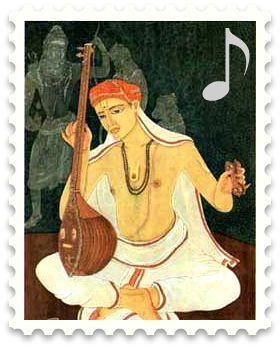
The "Music of India" refers to the diverse collection of musical traditions and genres originating from the Indian subcontinent. It encompasses numerous varieties including classical, folk, rock, and pop music. This musical heritage has developed as an integral part of India's socio-religious life over millennia.
Background & History
Indian music began as an integral part of socio-religious life with a history spanning several millennia. It developed over several geo-locations spanning the subcontinent, reflecting India's vastness and diversity. The musical traditions evolved through different historical periods, creating distinct genres and forms across various regions. This development process occurred over thousands of years, making it one of the world's oldest continuous musical traditions.
Why Notable
Indian music is notable for its incredible diversity encompassing numerous genres across classical, folk, and contemporary forms. It represents one of the world's oldest continuous musical traditions with millennia of development. The music plays a significant cultural role as an integral part of India's socio-religious life and has influenced musical traditions globally. Its complex systems and rich heritage continue to be studied and appreciated worldwide.
In the News
As a traditional art form spanning millennia, Indian music maintains cultural relevance through ongoing performances and academic study. Contemporary Indian musicians continue to blend traditional forms with modern genres, keeping the tradition vibrant. The music remains significant for preserving India's cultural heritage while adapting to global musical influences.

