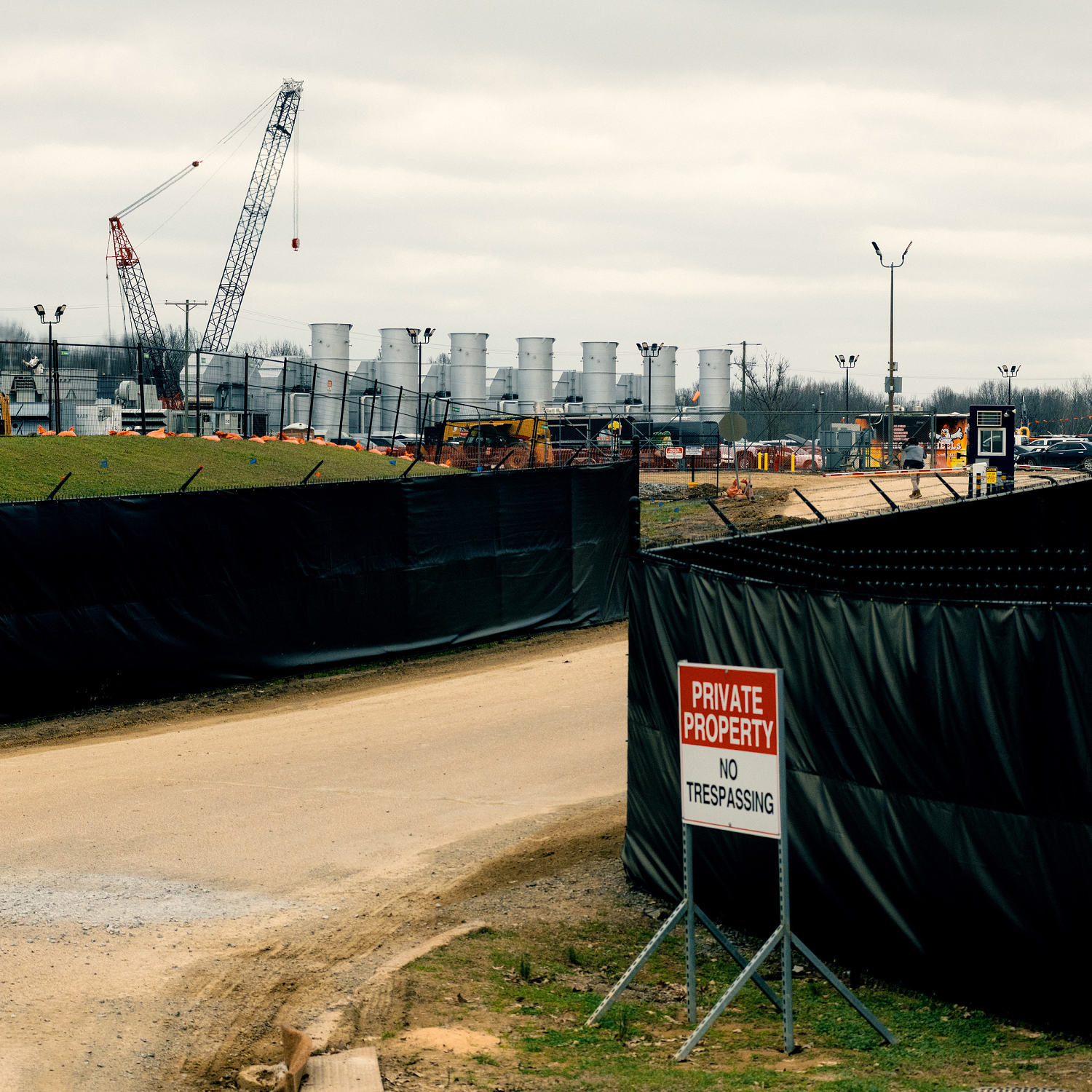
Who / What
Noise pollution, also known as sound pollution, refers to the excessive and displeasing noise that can have harmful effects on humans and animals. It involves the propagation of unwanted sound waves into the environment. This phenomenon is primarily caused by machines, transportation, and various propagation systems.
Background & History
The concept of noise pollution gained traction with increasing industrialization and urbanization in the 20th century. As human populations concentrated in urban areas and reliance on machinery grew, so did the levels of unwanted noise. Early studies began to explore the health impacts of prolonged exposure to loud sounds. While not a formal "organization" with a founding date, the awareness and study of noise pollution developed throughout the 20th century as a growing environmental concern.
Why Notable
Noise pollution is a significant environmental issue impacting both human and ecological well-being. It can lead to various health problems, including hearing loss, stress, and sleep disturbances. Poor urban planning contributes significantly to the problem, making noise mitigation crucial for public health and quality of life.
In the News
Noise pollution remains a pressing concern in modern society, with increasing attention given to its effects on mental and physical health. Recent developments include studies exploring effective noise mitigation strategies in urban environments and regulations aimed at reducing noise levels from transportation and industry. Addressing noise pollution is increasingly recognized as a key element of sustainable urban development.