Who / What
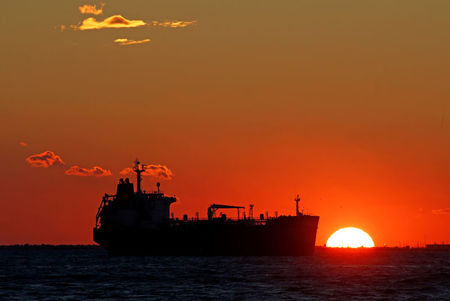
An oil tanker, also known as a petroleum tanker, is a ship specifically designed for the transportation of oil and its refined products. They are crucial for the bulk transport of these commodities globally. There are two main types: crude tankers and product tankers.
Background & History
The development of oil tankers is linked to the growth of the petroleum industry in the late 19th and early 20th centuries. As oil production increased, the need for efficient bulk transportation became apparent. Early tankers were adapted ships, but dedicated tanker designs emerged to improve safety and cargo capacity. The evolution continued with advancements in shipbuilding and safety regulations, leading to the modern tankers we see today.
Why Notable
Oil tankers are essential to the global economy, facilitating the movement of crude oil from producing regions to refineries and finished products to consumers worldwide. They play a critical role in energy security and international trade. Large oil tankers have significant economic impact due to their high cargo capacity and the volume of oil they transport daily.
In the News
Oil tankers remain relevant due to the ongoing global demand for oil and the geopolitical factors influencing its supply and distribution. Recent news often involves concerns about tanker safety, environmental regulations, and potential disruptions to shipping routes due to conflicts or political instability.