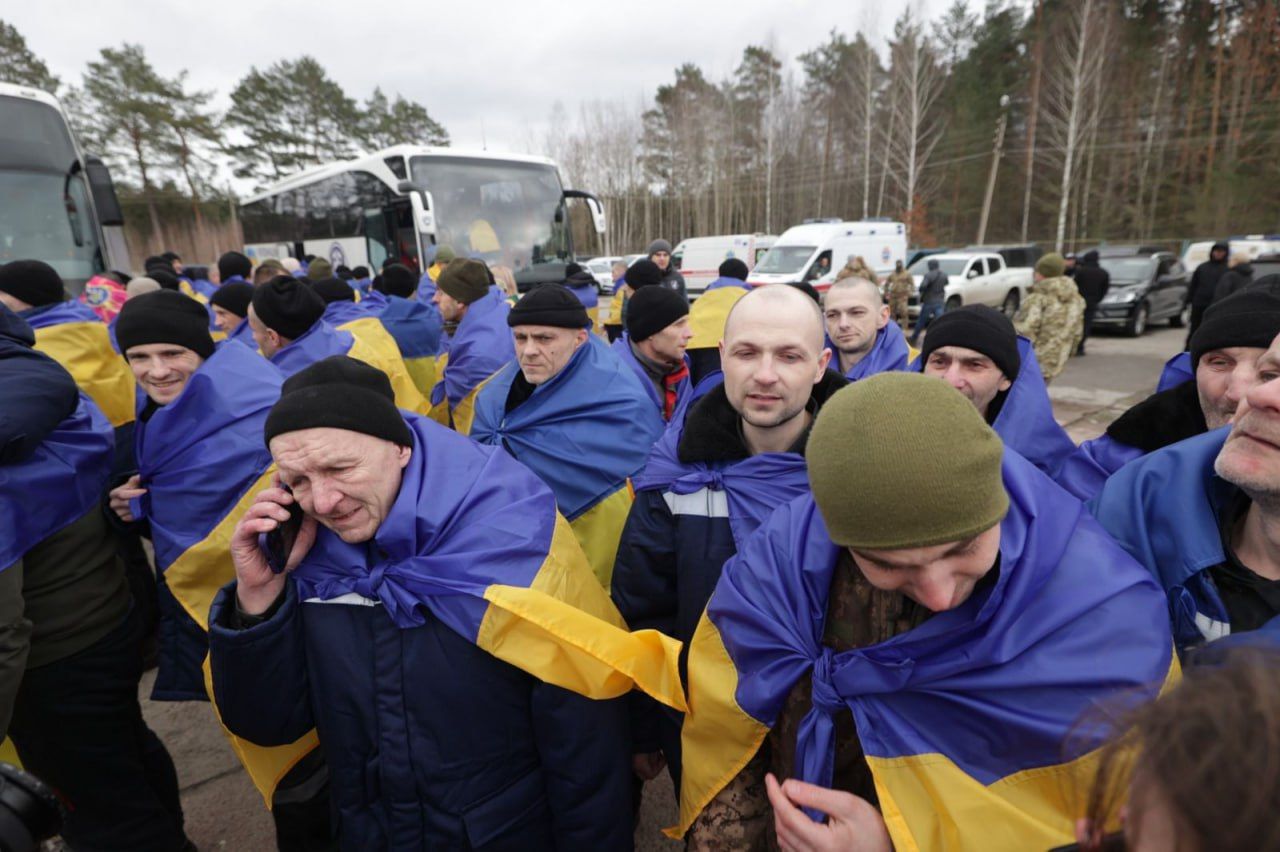
# Prisoner of War
---
Who / What
A **prisoner of war (POW)** is a military term referring to an individual captured by an opposing belligerent force during or immediately after an armed conflict. This status applies to soldiers, sailors, airmen, and other combatants held against their will.
---
Background & History
The concept of prisoners of war dates back to the early 17th century, with the earliest recorded usage of the phrase appearing in **1610**. Historically, belligerent nations have detained captured soldiers for strategic, logistical, or military reasons. The development of international law—such as the **Geneva Conventions** (established in 1929 and revised later)—later formalized protections for POWs, including humane treatment and conditions.
---
Why Notable
The status of a prisoner of war carries significant moral, legal, and humanitarian weight. It ensures that captured combatants are treated according to established norms, preventing abuse or exploitation by enemy forces. The concept has shaped modern warfare ethics, influencing treaties, military protocols, and international human rights standards. POWs also serve as symbols of resilience in conflict zones.
---
In the News
While not an organization per se, the status of prisoners of war remains a critical issue in contemporary conflicts, particularly in regions like Ukraine, Syria, or Afghanistan. Recent developments highlight ongoing debates over prisoner exchanges, humanitarian aid for detained soldiers, and compliance with international law. The topic continues to resonate globally due to its implications for human rights, war crimes investigations, and geopolitical tensions.
---
Key Facts
---