Who / What
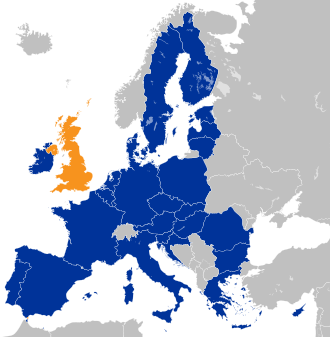
The Schengen Area is a system of open borders among 29 European countries. It allows for the abolition of border controls at common borders, facilitating free movement for those who can travel within the area. It functions as a single jurisdiction under a common visa policy for international travel.
Background & History
The Schengen Area originated from the 1985 Schengen Agreement and the 1990 Schengen Convention, both signed in Schengen, Luxembourg. It is an element of the European Union's wider area of freedom, security, and justice (AFSJ) policy. The agreement aimed to abolish border controls between participating countries. Over time, more countries joined, expanding the area of open borders and contributing to increased international travel within Europe.
Why Notable
The Schengen Area is significant for its role in fostering free movement and integration within Europe. It has a major impact on international travel, trade, and tourism by removing physical barriers between member states. The area promotes a common visa policy, streamlining travel procedures for citizens of participating countries.
In the News
The Schengen Area continues to be relevant in discussions about European security and migration policies. Recent developments often involve debates around border security measures and the potential for temporary reintroduction of controls in response to security threats. These discussions highlight the ongoing challenges in balancing open borders with national security concerns.