# South Africans
Who / What
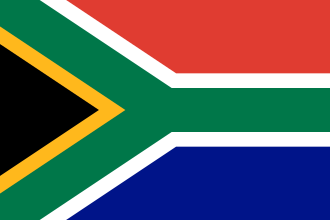
South Africans are the citizens of the Republic of South Africa, encompassing individuals who reside within its borders and those in the global diaspora. This group reflects a diverse population shaped by historical, cultural, and ethnic influences across the country.
---
Background & History
The term "South Africans" refers to people living in modern-day South Africa, whose history is deeply intertwined with colonialism, apartheid, and post-apartheid transformation. Indigenous groups, including the San, Khoikhoi, and Bantu-speaking peoples, have inhabited the region for millennia before European colonization began in the 16th century. The Dutch established Cape Colony (1652), followed by British rule after the Napoleonic Wars (1806). The apartheid system (1948–1994) systematically segregated and oppressed non-white South Africans, leading to global condemnation and resistance movements.
---
Why Notable
South Africans are globally recognized for their resilience, cultural contributions, and progressive social reforms. The country’s transition from apartheid to democracy under Nelson Mandela (first Black president in 1994) has inspired global movements for equality. South Africa is also a hub for arts, sports (e.g., rugby, cricket), music (e.g., Kwaito, Afrobeats), and innovation, while its economic challenges remain significant.
---
In the News
As of recent years, South Africans have been highlighted for their role in addressing COVID-19, economic inequality, and political transitions. The country’s ongoing debates over land reform, education equity, and climate change reflect its evolving social and political landscape, drawing international attention to both its achievements and challenges.
---
Key Facts
---