# Transport
Who / What
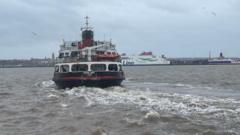
Transport is the intentional movement of goods or people between locations. It encompasses a broad range of activities and infrastructure designed to facilitate travel across various modes—such as air, land (rail and road), water, cable, pipelines, and space.
---
Background & History
The concept of transport dates back to ancient civilizations, where early forms of human movement relied on walking, animal-drawn carts, and rudimentary riverine trade. The Industrial Revolution marked a turning point with the invention of steam-powered locomotives and ships, revolutionizing land and water transportation. Modern advancements in aviation, high-speed rail, and digital logistics have further transformed transport into a critical infrastructure pillar for global connectivity.
---
Why Notable
Transport is indispensable to modern economies, enabling trade, commerce, and cultural exchange. It underpins urban development, supports emergency services, and drives technological innovation across industries like automotive, aerospace, and telecommunications. Its efficiency directly impacts quality of life, economic growth, and environmental sustainability.
---
In the News
Recent developments highlight transport’s evolving role in addressing climate change through electric vehicles, sustainable infrastructure projects, and smart logistics systems. The COVID-19 pandemic accelerated digitalization in supply chains, while geopolitical shifts (e.g., energy crises) emphasize resilience in global transportation networks. Its relevance remains central to post-pandemic recovery efforts.
---
Key Facts
---