Who / What
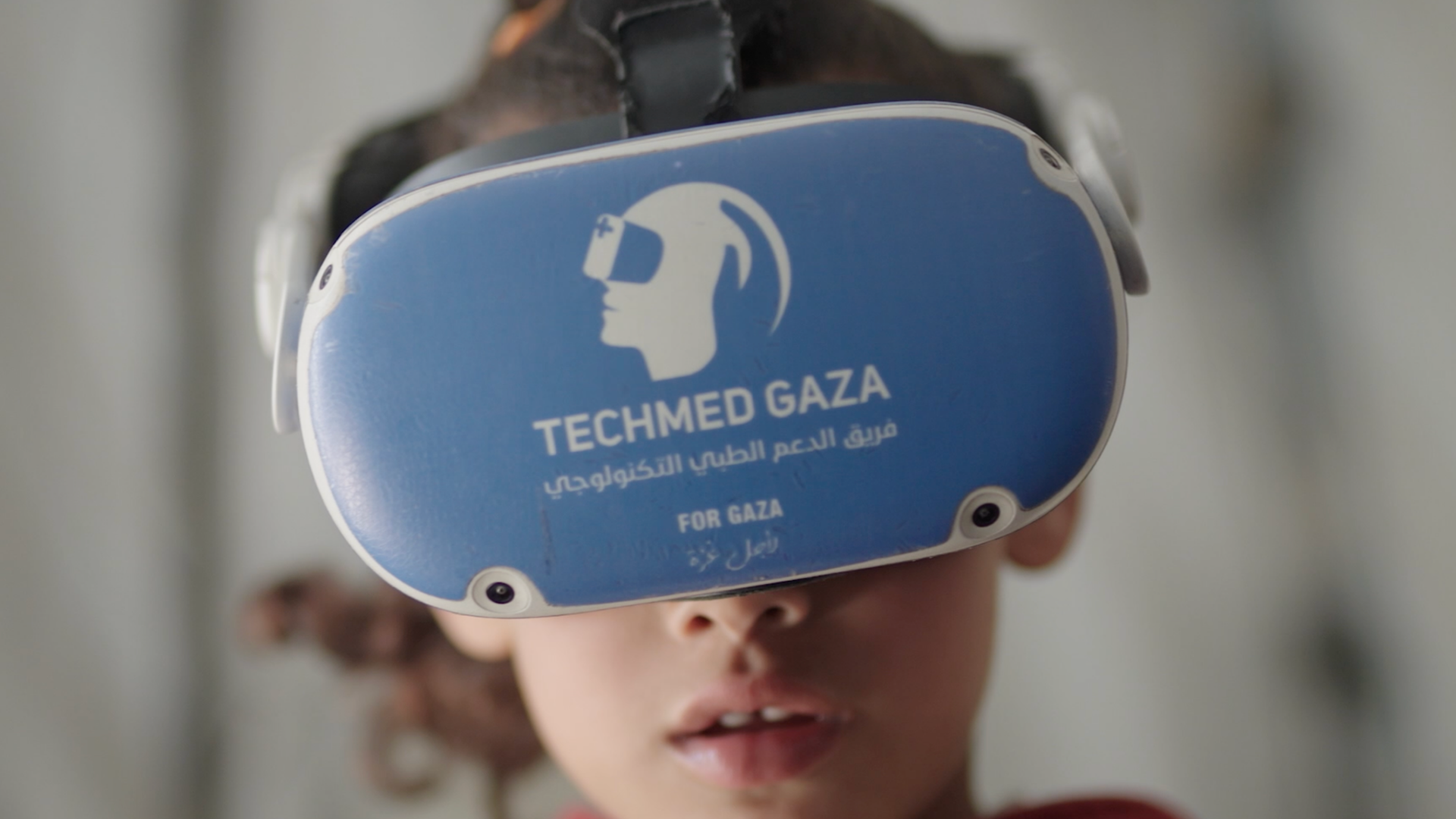
Virtual Reality Therapy (VRT) is an alternative form of exposure therapy that uses immersive virtual reality technology to treat psychological and occupational conditions. In this modality patients navigate digitally created environments and complete tailored tasks that isolate them from real‑world sensory inputs to achieve a sense of full immersion.
Background & History
VRT emerged in the 1990s as clinicians began experimenting with virtual environments for therapeutic purposes. Early research focused on anxiety disorders and PTSD, with subsequent studies extending its use to pain management during burn wound dressing and other painful procedures. Key milestones include its adoption as a complementary analgesic and the development of specialized protocols such as virtual reality exposure therapy (VRET).
Why Notable
VRT provides a controlled, repeatable environment for exposure therapy, allowing patients to confront fears or pain in a safe setting. Its demonstrated clinical benefit as an adjunctive analgesic during medical procedures showcases its effectiveness beyond psychological treatment. The technology is rapidly expanding across multiple therapeutic domains, offering personalized, scalable interventions.
In the News
Recent advances in affordable VR hardware have accelerated VRT adoption in hospitals and mental health clinics. Studies published in 2024 highlight its role in reducing opioid use during wound care. The growing integration of VRT into standard care protocols underscores its emerging importance in modern medicine.