
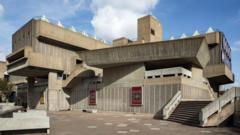
Brutalist Southbank Centre granted listed status
#Southbank Centre #Brutalism #Hayward Gallery #Historic England #Listed building #London architecture #Queen Elizabeth Hall
📌 Key Takeaways
- The Southbank Centre's Hayward Gallery and concert halls have been granted Grade II listed status.
- The complex was notoriously voted Britain's ugliest building upon its opening in 1967.
- The listing reflects a growing appreciation for Brutalist architecture in the United Kingdom.
- The new status provides legal protection against unauthorized alterations or demolition.
📖 Full Retelling
The Department for Culture, Media and Sport, acting on the advice of Historic England, officially granted Grade II listed status to the Southbank Centre's Queen Elizabeth Hall, Purcell Room, and Hayward Gallery in London this week to preserve the site's unique Brutalist architectural heritage. The decision marks a significant shift in the public and official perception of the complex, which serves as a major arts hub on the South Bank of the River Thames. This protective designation ensures that the mid-century concrete structures, once heavily criticized for their stark aesthetic, are recognized as culturally and architecturally significant landmarks for future generations.
When the complex first opened in October 1967, it was met with intense public derision, famously being voted "Britain's ugliest building" by contemporary critics and visitors who were unaccustomed to the raw, unadorned concrete style known as Brutalism. Despite the initial backlash, the site has grown to become a cornerstone of the United Kingdom's cultural life, hosting thousands of performances and exhibitions annually. The listing covers the distinctively rugged exterior and the intricate interior design of the concert halls and galleries, which are now celebrated by architectural historians as masterpieces of the post-war era.
Listing the Southbank Centre effectively places strict controls on any future renovations or expansions, requiring developers to seek special consent before making changes that could impact the buildings' historical character. This move follows years of debate between conservationists, who view the site as a triumph of modern engineering, and urban planners who have previously sought to modernize the riverfront. By securing this status, the UK government has acknowledged that even buildings once deemed an "eyesore" can eventually gain recognition as essential components of a city's historical fabric and national identity.
🏷️ Themes
Architecture, Culture, History
Entity Intersection Graph
No entity connections available yet for this article.