
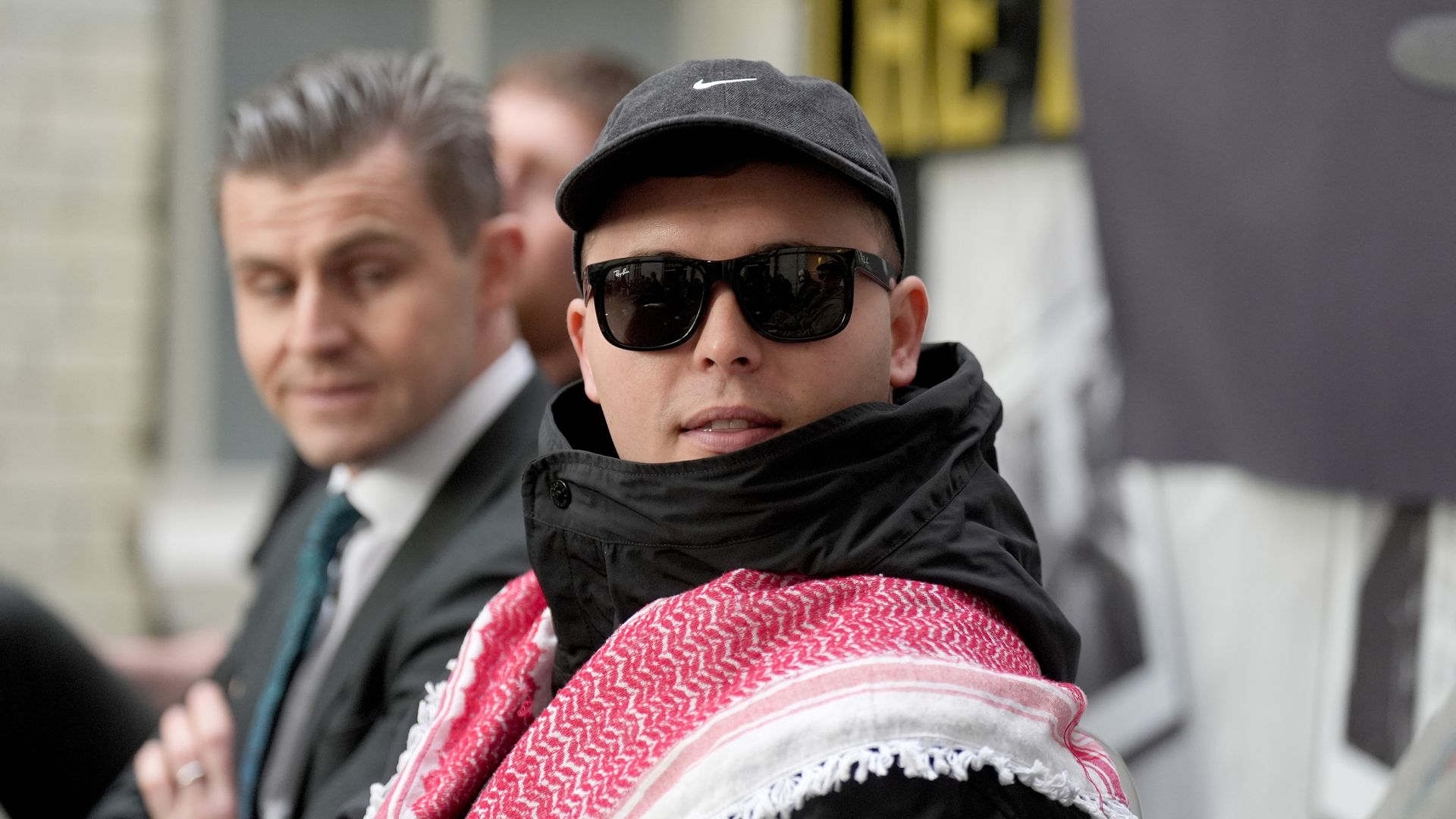
CPS loses appeal over Kneecap terror charge
#CPS #Kneecap #terror charge #appeal #legal ruling #prosecution #court case
📌 Key Takeaways
- The Crown Prosecution Service (CPS) lost its appeal regarding a terror charge related to the group Kneecap.
- The case centered on legal proceedings involving Kneecap and terrorism allegations.
- The appeal outcome represents a legal setback for the CPS in this specific prosecution.
- The ruling may impact future legal approaches to similar terror-related charges.
📖 Full Retelling
🏷️ Themes
Legal Appeal, Terrorism Charge
Entity Intersection Graph
No entity connections available yet for this article.
Deep Analysis
Why It Matters
This ruling matters because it sets a precedent for distinguishing between artistic expression and genuine terrorist glorification, affecting free speech protections in the UK. It impacts musicians, artists, and political activists who engage with controversial themes, potentially shielding them from prosecution when their work is satirical or artistic rather than literal incitement. The decision also affects counter-terrorism enforcement by clarifying legal boundaries, which could influence future cases involving politically charged art or speech.
Context & Background
- Kneecap is a Belfast-based Irish-language rap group known for politically charged lyrics referencing the Troubles and republican themes.
- The UK's Terrorism Act 2006 includes provisions against glorifying or encouraging terrorism, which has been used to prosecute various forms of expression.
- The Crown Prosecution Service (CPS) is responsible for prosecuting criminal cases in England and Wales, including terrorism-related charges.
- This case follows ongoing tensions around free speech vs. security in the UK, particularly regarding expressions related to Northern Ireland's history.
What Happens Next
Kneecap will likely continue their musical activities without the threat of this specific prosecution, though authorities may monitor their future content. The CPS may review its guidelines for distinguishing between artistic expression and terrorist glorification in light of this ruling. Other artists or groups with similar themes could cite this case as a defense if faced with comparable charges.
Frequently Asked Questions
Kneecap faced terrorism-related charges, likely for glorifying or encouraging terrorism through their lyrics or public statements, though the CPS appeal loss suggests the court found insufficient evidence for prosecution.
The CPS likely lost because the court determined Kneecap's expressions were protected artistic or satirical speech rather than genuine terrorist incitement, aligning with free speech principles.
No, this ruling doesn't grant blanket immunity; it reinforces that context matters, and artistic expression may be protected unless it directly incites violence or meets strict terrorism glorification criteria.
It clarifies legal boundaries for prosecution, potentially requiring more nuanced assessments of intent and context in cases involving artistic or political speech, which could make some prosecutions harder.