
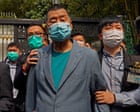
Jimmy Lai, Hong Kong pro-democracy figure, sentenced to 20 years in prison for national security offences
#Jimmy Lai #Hong Kong #National Security Law #Apple Daily #Pro-democracy #Media Freedom #China
📌 Key Takeaways
- Media tycoon Jimmy Lai was sentenced to 20 years in prison for national security offenses in Hong Kong.
- The charges included conspiracy to collude with foreign forces and the publication of seditious materials.
- Lai's family and supporters fear the 78-year-old activist will die in prison due to his age and health.
- Global rights groups and press freedom advocates have condemned the sentence as a blow to democracy and free speech.
📖 Full Retelling
Jimmy Lai, the 78-year-old pro-democracy media mogul and founder of the defunct Apple Daily newspaper, was sentenced to 20 years in prison by a Hong Kong court on Wednesday for multiple national security offenses. The severe penalty was handed down following a high-profile trial that centered on charges of conspiracy to collude with foreign forces and publishing seditious materials, which authorities argued threatened China's national security during the city's period of civil unrest. Given Lai's advanced age and reportedly declining health, the sentencing has been described by his family and international observers as a life sentence in all but name.
The court's decision has ignited a wave of condemnation from international press freedom organizations and human rights groups, who view the trial as a symbolic end to media pluralism in Hong Kong. Claire Lai, the tycoon’s daughter, spoke out against the verdict, labeling the punishment "heartbreakingly cruel" and expressing grave concerns that her father may die in custody without seeing freedom again. She characterized his potential fate as becoming a "martyr behind bars," highlighting the symbolic weight his imprisonment carries for the city’s democratic movement.
Legal experts note that the case against Lai relied heavily on the sweeping National Security Law imposed by Beijing in 2020. This legislation has fundamentally reshaped the legal landscape of the financial hub, leading to the closure of several independent news outlets and the arrest of numerous activists. Prosecutors argued that Lai used his media empire to solicit foreign sanctions against Hong Kong and Chinese officials, while the defense maintained that his actions were protected under the principles of free speech and legitimate journalistic practice.
International reaction has been swift, with several Western governments urging for Lai's immediate release and criticizing the erosion of the "one country, two systems" framework. The sentencing is seen as a definitive signal of the Hong Kong judiciary's shift toward the mainland Chinese legal approach, particularly regarding political dissent. As Lai begins his lengthy term, his case remains a focal point for diplomatic friction between China and the West, serving as a stark reminder of the risks faced by media figures operating within the territory.
🏷️ Themes
Human Rights, Press Freedom, Politics
Entity Intersection Graph
No entity connections available yet for this article.