
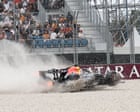
Norris, Verstappen and Hamilton slam ‘worst’ F1 cars after torrid Australian GP qualifying
#Formula 1 #Australian GP #qualifying #car criticism #Norris #Verstappen #Hamilton
📌 Key Takeaways
- Lando Norris, Max Verstappen, and Lewis Hamilton criticized current F1 cars as the 'worst' after Australian GP qualifying.
- The drivers expressed frustration with the cars' handling and performance during the challenging qualifying session.
- The criticism highlights ongoing issues with the current generation of Formula 1 vehicle design and regulations.
- The comments come after a particularly difficult qualifying at the Albert Park circuit in Melbourne.
📖 Full Retelling
🏷️ Themes
F1 Criticism, Driver Dissatisfaction
Entity Intersection Graph
No entity connections available yet for this article.
Deep Analysis
Why It Matters
This criticism from top Formula 1 drivers matters because it directly challenges the fundamental design philosophy of the current generation of F1 cars, which were specifically engineered to improve racing and overtaking. The complaints affect not only the drivers' ability to compete at their peak but also the spectacle for millions of global fans who expect high-performance racing. If the cars are fundamentally flawed, it could undermine the credibility of the sport's technical regulations and force the FIA to reconsider future design directions, impacting teams' development investments and the competitive balance of the championship.
Context & Background
- The current generation of F1 cars (introduced in 2022) feature ground-effect aerodynamics designed to create closer racing by reducing 'dirty air' that hampers following other cars.
- These regulations followed years of complaints that overtaking had become too difficult, with the previous generation of cars creating massive aerodynamic turbulence.
- The Australian Grand Prix at Albert Park has a reputation for being a challenging, bumpy circuit that often exposes car handling weaknesses, with several high-speed corners and minimal runoff areas.
- Lando Norris (McLaren), Max Verstappen (Red Bull), and Lewis Hamilton (Mercedes) represent three different top teams, making their unified criticism particularly significant as it crosses competitive boundaries.
What Happens Next
The FIA and Formula 1 management will likely face increased pressure to address these complaints, potentially through technical directive clarifications or future regulation tweaks. Team technical directors will analyze the specific handling issues raised, particularly regarding porpoising (vertical oscillations) and low-speed corner instability. The next races in Japan and China will serve as important tests to see if the problems are circuit-specific or fundamental to the car designs, with possible emergency meetings of the Technical Advisory Committee if performance issues persist.
Frequently Asked Questions
The drivers are criticizing the cars' extreme sensitivity to bumps and curbs, unpredictable handling in low-speed corners, and general lack of drivability. They describe them as the 'worst' to drive despite being the fastest in history, highlighting a disconnect between raw speed and driver confidence.
When rivals like Verstappen (Red Bull), Hamilton (Mercedes), and Norris (McLaren) all agree on a technical issue, it indicates a fundamental problem rather than team-specific weaknesses. This unified front gives their complaints more weight with regulators and suggests the issues affect the entire grid regardless of car design philosophy.
If the cars remain difficult to drive consistently, we may see more qualifying surprises and race incidents as drivers struggle with unpredictable handling. This could benefit drivers who adapt better to difficult cars while punishing those who rely on precision, potentially upsetting the expected competitive order throughout the season.
Major regulation changes are unlikely during the season, but the FIA could issue technical directives clarifying existing rules or allowing minor modifications. Teams might develop mechanical solutions within current regulations, though significant improvements would likely require waiting for the 2026 regulation overhaul currently in development.