
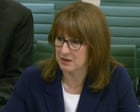
‘Nothing off the table’ as Rachel Reeves considers ‘targeted support’ over energy costs
#Rachel Reeves #energy costs #targeted support #government policy #household expenses
📌 Key Takeaways
- Rachel Reeves is considering 'targeted support' for energy costs, with all options open.
- The UK government is exploring measures to address rising energy expenses for households.
- The approach may focus on specific groups or needs rather than broad, universal aid.
- This signals potential policy shifts in response to ongoing energy price pressures.
📖 Full Retelling
🏷️ Themes
Energy Policy, Economic Support
📚 Related People & Topics

Rachel Reeves
British politician (born 1979)
Rachel Jane Reeves (born 13 February 1979) is a British politician who has served as Chancellor of the Exchequer since 2024. A member of the Labour Party, she has been Member of Parliament (MP) for Leeds West and Pudsey, formerly Leeds West, since 2010. She held various shadow ministerial and shadow...
Entity Intersection Graph
Connections for Rachel Reeves:
Mentioned Entities
Deep Analysis
Why It Matters
This news matters because rising energy costs directly impact household budgets, particularly for low-income families and vulnerable populations. It signals potential government intervention that could affect millions of consumers facing unaffordable bills. The Chancellor's consideration of 'targeted support' indicates a shift toward more precise fiscal policy rather than broad-based measures, which could influence inflation and public spending priorities. This development also has implications for energy companies, social welfare programs, and overall economic stability during a cost-of-living crisis.
Context & Background
- The UK has been experiencing a prolonged energy crisis since 2021, driven by global supply constraints and geopolitical factors
- Previous government interventions included the Energy Price Guarantee which capped typical household bills at £2,500 annually until June 2024
- Ofgem's price cap mechanism has seen multiple increases, with the typical annual bill rising from £1,138 in 2021 to over £2,000 in 2024
- Winter 2023-24 saw record numbers of households in fuel poverty, with estimates suggesting 6-7 million UK households struggling to afford energy
- The Labour government has committed to reducing energy bills through various measures including investment in renewable energy infrastructure
What Happens Next
The Treasury will likely conduct rapid analysis of different support options, with announcements expected before the next Ofgem price cap adjustment in October 2024. Parliamentary discussions about funding mechanisms and eligibility criteria will follow, potentially leading to legislation in autumn 2024. Energy companies may be required to prepare for implementation of new support schemes, while consumer groups will advocate for specific vulnerable groups to be prioritized.
Frequently Asked Questions
Targeted support refers to government assistance directed specifically at vulnerable households rather than universal energy bill subsidies. This typically means means-tested benefits, support for pensioners, disabled individuals, or those on low incomes, designed to provide help where it's most needed while controlling overall public spending.
The timing relates to persistent high energy prices despite some wholesale cost reductions, ongoing cost-of-living pressures, and the approaching winter when energy consumption typically increases. There's also political pressure to address fuel poverty before colder months and potential price cap increases in autumn.
Energy suppliers may face administrative requirements to implement support schemes, potential pressure on profit margins if support involves industry contributions, and regulatory scrutiny of their customer service practices. However, targeted support could also reduce bad debt from customers unable to pay bills.
Alternatives include universal bill reductions through price caps, energy efficiency grants for home improvements, windfall taxes on energy company profits to fund support, or market reforms to increase competition and lower prices. Each approach has different economic impacts and implementation challenges.
Eligibility will likely use existing benefit criteria (Universal Credit, Pension Credit), income thresholds, or vulnerability indicators. The government may also consider regional factors, household composition, and medical needs. Previous schemes have used data sharing between government departments and energy suppliers to identify eligible households.