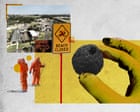
NSW EPA ordered Sydney Water to clean Malabar treatment plant fatberg
Fatberg potentially as large as four buses causing beach pollution
Cleanup requires innovative approaches since shutting down outfall would close beaches for months
Sydney Water must develop new monitoring systems and conduct regular inspections
Corporation admitted earlier denial of responsibility was incorrect
📖 Full Retelling
The New South Wales Environment Protection Authority has ordered Sydney Water to remove fats from its Malabar wastewater treatment plant following the discovery of a massive fatberg responsible for 'poo balls' that closed Sydney beaches last summer, with the watchdog stating the water corporation is 'responsible for ensuring it doesn't pollute our beautiful beaches'. The fatberg, which could be as large as four Sydney buses according to estimates, has accumulated in a hard-to-access area of the plant's deep ocean outfall, making cleanup operations extremely challenging. Sydney Water cannot easily access the area where the fatberg has formed, and fixing the problem would require shutting down the ocean outfall, which extends 2.3km offshore, for maintenance and diverting sewage to 'cliff face discharge,' which would close Sydney's beaches 'for months'—an approach that has 'never been done' and is 'no longer considered acceptable.' The EPA has mandated that Sydney Water carry out at least 18 inspections of the area over three years from April 2026 and develop new systems to prevent future issues, including 'a system to capture debris overflowing from the sewer during severe wet weather events' and 'AI or other technology to monitor for the formation of debris balls.' Sydney Water has already begun cleaning the inaccessible area and removed 53 tonnes of accumulated fats, oils, and grease in April 2025, while using remote equipment to inspect the suspected blockage. The corporation has admitted earlier statements denying responsibility for the debris balls were 'not factually correct,' emphasizing that the new measures align with its $3 billion Malabar system investment program for infrastructure upgrades.
🏷️ Themes
Environmental Protection, Infrastructure Challenges, Corporate Accountability, Public Health
Sydney Water, formally the Sydney Water Corporation, is a New South Wales Government–owned statutory corporation that provides potable drinking water, wastewater and some stormwater services to Greater Metropolitan Sydney, the Illawarra and the Blue Mountains regions, in the Australian state of New ...
No entity connections available yet for this article.
Original Source
Sydney Water ordered to clean Malabar treatment plant where fatberg is birthing poo balls Environment watchdog says water corporation is ‘responsible for ensuring it doesn’t pollute our beautiful beaches’ Follow our Australia news live blog for latest updates Get our breaking news email , free app or daily news podcast The New South Wales environment watchdog has ordered Sydney Water to remove fats from its Malabar wastewater treatment plant, a month after Guardian Australia revealed a huge fatberg was responsible for the poo balls that closed beaches last summer. Sydney Water isn’t sure exactly how big the fatberg is because it cannot easily access the area where it has accumulated. It could be the size of four Sydney buses. Fixing the problem would require shutting down the ocean outfall – which reaches 2.3km offshore – for maintenance and diverting sewage to “cliff face discharge”, which would close Sydney’s beaches “for months”, a secret report obtained by Guardian Australia using freedom of information laws states. This has “never been done” and is “no longer considered an acceptable approach”, the Sydney Water report from August 2025 acknowledges. The Environment Protection Authority said on Monday it had issued a pollution reduction program to Sydney Water, “requiring a range of significant works, including fat removal from the Malabar deep ocean outfall bulkhead area, to reduce the likelihood of further debris balls washing up on the state’s beaches”. “The requirements on Sydney Water include a range of short, medium and long-term actions including removing the build-up of fats, oils and grease from a hard-to-access bulkhead area of the deep ocean outfall,” the watchdog said in a statement. Sydney Water is already cleaning that hard-to-access area, which is itself “an extremely risky operation”, Guardian Australia reported in January. In April 2025, it removed 53 tonnes of accumulated FOG, including debris balls, the Sydney Water report from August states. T...