
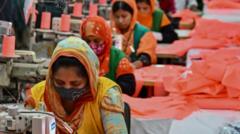
US to exempt some Bangladeshi clothes from tariffs
#White House #Bangladesh #US Cotton #Tariff Exemptions #Garment Industry #Textile Trade #Biden Administration
📌 Key Takeaways
- The U.S. government will exempt Bangladeshi clothing made from U.S. cotton from certain tariffs.
- The policy aims to increase the global market share of American-grown cotton.
- The move addresses 'double-taxation' issues where raw material and finished goods were both penalized.
- This trade carve-out strengthens economic ties between Washington and the Bangladeshi garment sector.
📖 Full Retelling
The White House officially announced a trade policy adjustment on Thursday that will exempt Bangladeshi apparel made from American-grown cotton from specific import tariffs, aiming to bolster the textile partnership between the two nations. This strategic decision, finalized in Washington D.C., follows years of advocacy from the global garment industry and is designed to incentivize the use of U.S. raw materials while lowering costs for American consumers. By waiving these duties, the Biden administration hopes to stabilize supply chains and support Bangladesh's economic recovery amidst shifting geopolitical dynamics in South Asia.
This policy change specifically targets the 'double-taxation' concern that has long plagued the textile trade between the United States and Bangladesh. Previously, manufacturers in Bangladesh would pay to import high-quality cotton from the U.S., process it into finished garments, and then face significant tariffs when exporting those same products back to the American market. The new exemption effectively creates a circular trade loop that rewards Bangladeshi factories for prioritizing American agricultural products over competitors from other regions, such as Brazil or India.
Economic analysts suggest that this move is a significant win for both the U.S. agricultural sector and the Bangladeshi ready-made garment (RMG) industry, which accounts for over 80% of the country’s total exports. By lowering the financial barriers for clothing made with U.S. cotton, the White House is providing a competitive advantage to American farmers who have been seeking more reliable export destinations. Furthermore, the move is seen as a diplomatic gesture toward the interim government in Dhaka, signaling a commitment to continued bilateral trade despite recent political transitions within the country.
🏷️ Themes
International Trade, Economy, Agribusiness
Entity Intersection Graph
No entity connections available yet for this article.