
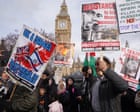
What is London’s al-Quds Day march and why has the event been banned?
#al-Quds Day #London march #ban #pro-Palestinian #Jerusalem #freedom of speech #public safety
📌 Key Takeaways
- The al-Quds Day march in London is an annual pro-Palestinian event opposing Israeli control of Jerusalem.
- The event has been banned by UK authorities citing public safety and security concerns.
- Organizers argue the ban infringes on freedom of speech and assembly rights.
- The march has historically drawn controversy for its political messaging and potential to incite tensions.
📖 Full Retelling
🏷️ Themes
Political protest, Security policy
📚 Related People & Topics

Quds Day
Annual event held on the last Friday of Ramadan
Quds Day (lit. 'Jerusalem Day'), officially known as International Quds Day (Persian: روز جهانی قدس, romanized: Ruz Jahâni Quds), is an annual pro-Palestinian event held on the last Friday of the Islamic holy month of Ramadan to express support for Palestinians and oppose Israel and Zionism. It take...
Entity Intersection Graph
Connections for Quds Day:
View full profileMentioned Entities
Deep Analysis
Why It Matters
This ban matters because it represents a significant shift in how Western democracies balance free speech rights with national security concerns regarding foreign conflicts. It directly affects Muslim communities in London who participate in the annual demonstration, pro-Palestinian activists, and Jewish groups who have long opposed the march. The decision sets a precedent for how governments might handle demonstrations perceived as supporting designated terrorist organizations or promoting hate speech. It also reflects growing tensions in Europe over how to address activism related to the Israeli-Palestinian conflict while maintaining social cohesion.
Context & Background
- Al-Quds Day was established in 1979 by Iran's Ayatollah Khomeini as an annual event expressing solidarity with Palestinians and calling for Israel's elimination
- The London march has been organized since the 1980s by the Islamic Human Rights Commission and typically draws thousands of participants
- Previous marches have featured controversial symbols and chants, including Hezbollah flags before the group was fully proscribed as terrorist in the UK in 2019
- The event has faced years of criticism from Jewish groups and politicians who argue it promotes antisemitism and support for terrorist organizations
- UK counter-terrorism policy has increasingly focused on preventing the glorification of proscribed organizations in public spaces
What Happens Next
Organizers will likely challenge the ban through legal avenues, potentially arguing it violates freedom of assembly protections. Police will need to enforce the prohibition during the scheduled date, which could lead to arrests if demonstrations occur. The decision may inspire similar bans in other European cities with al-Quds Day events. Long-term, this could reshape how Palestinian solidarity activism is conducted in the UK, possibly pushing some expressions underground or online.
Frequently Asked Questions
Authorities cited concerns about glorification of proscribed terrorist organizations, potential antisemitic rhetoric, and risks to public order. The ban was implemented under public order legislation allowing restrictions on demonstrations that may cause harassment, alarm or distress.
Pro-Palestinian groups condemn it as suppressing legitimate political expression about Palestinian rights. Jewish organizations welcome it as addressing longstanding concerns about antisemitism. Civil liberties groups express concern about precedents for restricting protest rights.
Al-Quds is the Arabic name for Jerusalem, referring specifically to the city's eastern sector which Palestinians claim as their future capital. The day's symbolism centers on Palestinian claims to Jerusalem and opposition to Israeli control.
No complete ban has occurred previously, though police have imposed restrictions on routes and banned specific symbols like Hezbollah flags. This represents the first complete prohibition of the annual event since its inception.
Organizers may shift to virtual events, smaller decentralized gatherings, or focus on educational programs. Some may attempt legal challenges while others might organize alternative demonstrations under different names or formats.