# Jerusalem
---
Who / What
Jerusalem is a historic city located in the Southern Levant, situated on a plateau in the Judaean Mountains. It serves as a central location for three major Abrahamic religions—Judaism, Christianity, and Islam—and holds deep cultural, religious, and political significance.
---
Background & History
Founded over 5,000 years ago, Jerusalem is among the oldest continuously inhabited cities in the world. Its history spans ancient kingdoms (such as the Kingdom of Judah), biblical narratives, and successive empires (Assyrian, Babylonian, Persian, Hellenistic, Roman). Key milestones include its capture by David (c. 1000 BCE) and Solomon’s construction of the First Temple; later conquests by the Babylonians, Persians, Greeks, Romans, Crusaders, and Ottoman Empire. The city’s religious importance grew with the establishment of Jewish, Christian, and Islamic holy sites, including the Western Wall (for Judaism), Church of the Holy Sepulchre (Christianity), and Al-Aqsa Mosque/Dome of the Rock (Islam).
---
Why Notable
Jerusalem’s enduring significance lies in its role as a spiritual and political crossroads. It is a contested capital for Israel and Palestine, symbolizing national aspirations and deep-seated conflicts. Its religious sites attract millions of pilgrims annually, making it a focal point for global interfaith dialogue and geopolitical tensions.
---
In the News
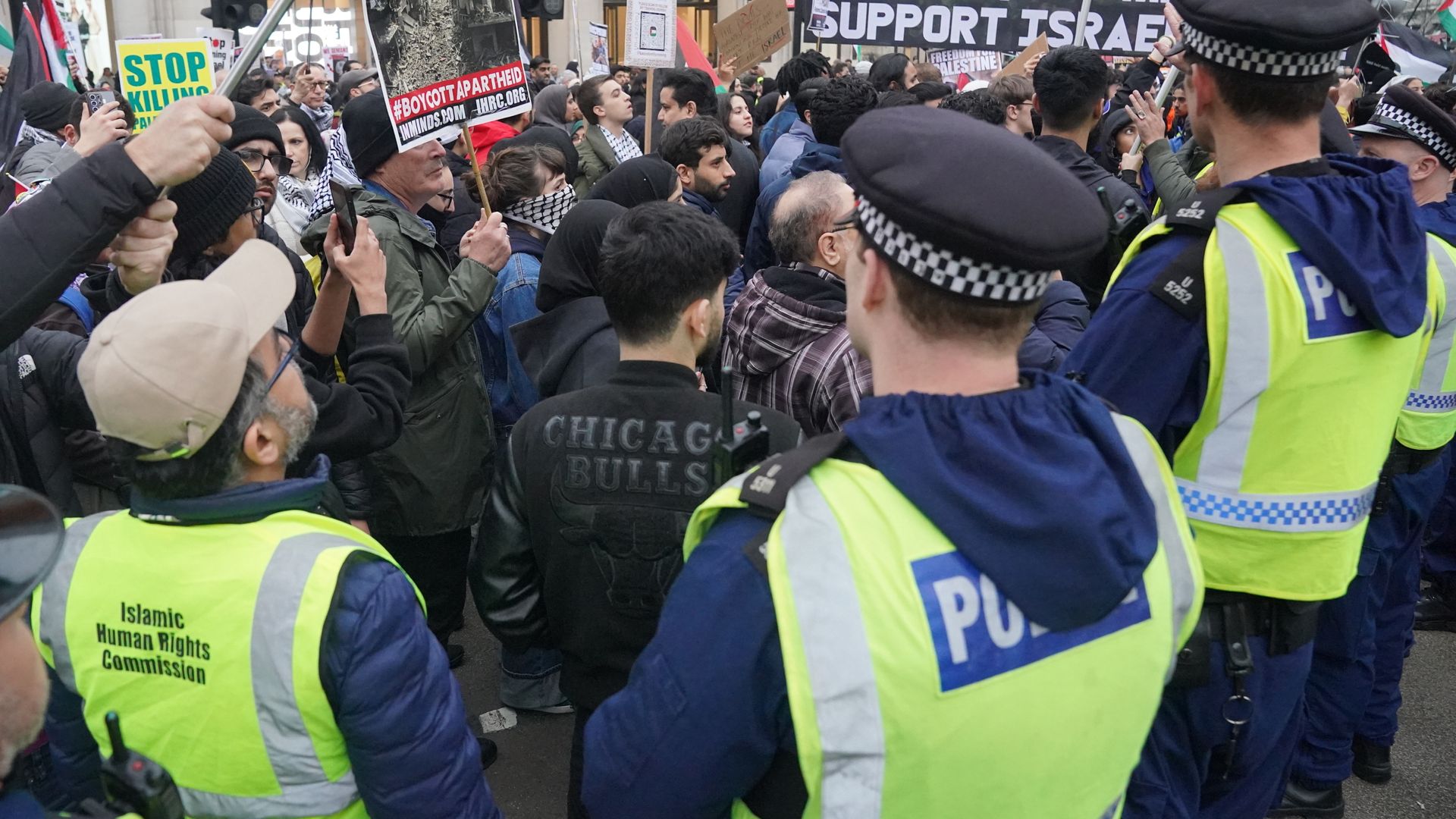
Jerusalem remains a flashpoint in ongoing regional disputes, particularly regarding sovereignty, borders, and security. Recent developments include heightened Israeli military presence, Palestinian statehood negotiations, and international efforts to mediate peace talks, underscoring its continued relevance as both a symbol of hope and conflict.
---