# Quds Day
---
Who / What
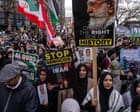
Quds Day is an annual pro-Palestinian event held on the last Friday of Ramadan to express solidarity with Palestinians and oppose Israeli policies. It draws its name from *al-Quds*, the Arabic term for Jerusalem, symbolizing support for Palestinian rights and condemnation of Zionism.
---
Background & History
Quds Day originated in Iran following the 1979 Iranian Revolution, marking a shift toward pro-Palestinian activism under Shia Islamic leadership. The event was first organized to rally global Muslim communities behind Palestinian causes, aligning with broader anti-Israeli and anti-Zionist sentiments. Over time, it expanded beyond Iran’s borders, becoming an international movement with participation from various countries, particularly those with ties to the Arab or Muslim worlds.
---
Why Notable
Quds Day serves as a powerful platform for advocating Palestinian rights, emphasizing Jerusalem’s sacred status in Islam and Christianity while criticizing Israeli occupation and policies. It fosters solidarity among Muslims globally and amplifies voices against Zionism, making it a significant annual demonstration of political and religious activism. Its symbolic resonance—rooted in Ramadan and Islamic tradition—strengthens its cultural and ideological impact.
---
In the News
Quds Day remains relevant as a focal point for anti-Israel protests and diplomatic pressure, particularly during conflicts like Gaza wars or Israeli-Palestinian tensions. Recent years have seen increased global participation, with calls for international condemnation of Israel’s actions in Jerusalem and the West Bank. Its timing during Ramadan further underscores its role as a unifying Islamic event with broader geopolitical implications.
---
Key Facts
---