
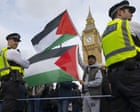
Police issue warning to protesters before al-Quds Day rally in London
#al-Quds Day #London #police warning #protesters #rally
📌 Key Takeaways
- Police issued a warning to protesters ahead of the al-Quds Day rally in London.
- The rally is scheduled to take place in London, indicating potential public gatherings.
- Authorities are taking preemptive measures to manage the event and ensure public safety.
- The warning suggests concerns over possible disruptions or security risks associated with the protest.
📖 Full Retelling
🏷️ Themes
Public Safety, Political Protest
📚 Related People & Topics

Quds Day
Annual event held on the last Friday of Ramadan
Quds Day (lit. 'Jerusalem Day'), officially known as International Quds Day (Persian: روز جهانی قدس, romanized: Ruz Jahâni Quds), is an annual pro-Palestinian event held on the last Friday of the Islamic holy month of Ramadan to express support for Palestinians and oppose Israel and Zionism. It take...
London
Capital of England and the United Kingdom
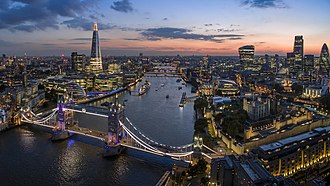
London is the capital and largest city of both England and the United Kingdom, with a population of 9.1 million people in 2024. Its wider metropolitan area is the largest in Western Europe, with a population of 15.1 million. London stands on the River Thames in southeast England, at the head of a 50...
Entity Intersection Graph
Connections for Quds Day:
View full profileMentioned Entities
Deep Analysis
Why It Matters
This news matters because it highlights tensions around free speech, public safety, and community relations in a major global city. The al-Quds Day rally has historically been controversial, with concerns about antisemitic rhetoric and potential clashes with counter-protesters. The police warning affects protesters, Jewish communities, Muslim communities, and London residents concerned about public order and hate speech during sensitive geopolitical times.
Context & Background
- Al-Quds Day is an annual event initiated by Iran in 1979 to express solidarity with Palestinians and oppose Israeli control of Jerusalem (al-Quds in Arabic).
- London's al-Quds Day rallies have been organized for decades by the Islamic Human Rights Commission and have frequently drawn criticism for antisemitic banners and chants.
- Previous rallies have led to arrests for hate speech and public order offenses, with police balancing protest rights against preventing incitement.
- The event occurs during heightened tensions in the Middle East, often coinciding with increased community tensions in the UK.
- UK police have legal duties under the Public Order Act 1986 to prevent harassment, alarm, or distress, and can impose conditions on protests.
What Happens Next
Police will monitor the rally for compliance with warnings, potentially making arrests for hate speech or public order violations. Community groups may issue statements responding to the event's conduct. The Metropolitan Police's handling will likely be reviewed by oversight bodies and could influence future protest policing policies, especially regarding demonstrations with international dimensions.
Frequently Asked Questions
Al-Quds Day is an annual rally expressing solidarity with Palestinians and opposing Israeli policies regarding Jerusalem. It's controversial in London due to historical instances of antisemitic rhetoric and banners at the events, leading to tensions with Jewish communities and counter-protesters.
Police are likely warning against hate speech, incitement to violence, and antisemitic rhetoric. They may outline specific restrictions on banners, chants, or behavior that could violate public order laws, and warn of potential arrests for non-compliance.
This reflects ongoing UK debates about balancing free speech with preventing hate speech and maintaining public order. It comes amid recent controversies over protest policing, including responses to climate and pro-Palestinian demonstrations, testing police strategies for managing divisive gatherings.
Protesters ignoring warnings risk arrest for offenses like incitement to racial hatred or public order violations. This could lead to criminal charges, fines, or imprisonment, and might prompt police to disperse the rally if they deem it necessary to prevent disorder.
Jewish community organizations often express concern about antisemitism at the rallies and may organize counter-protests or awareness campaigns. Muslim participants view it as legitimate political expression, while many Muslim leaders emphasize the need to protest without hate speech.