
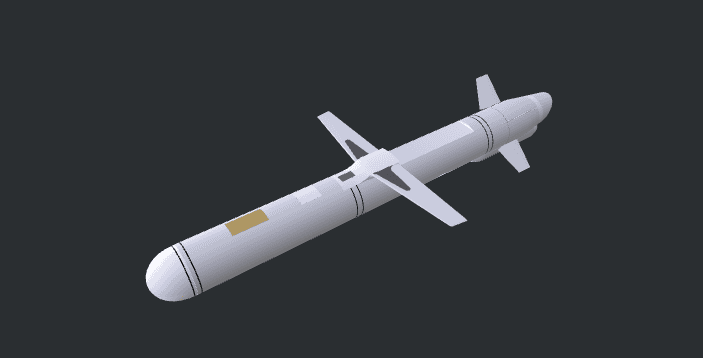
Russia's new Izdeliye-30 missile makes strikes harder to anticipate
#Russia #Izdeliye-30 #missile #strikes #anticipate #defense #military #technology
📌 Key Takeaways
- Russia has developed a new missile called Izdeliye-30.
- The missile's capabilities make it difficult to predict its strikes.
- This advancement poses challenges for defense and early warning systems.
- The development reflects ongoing military modernization efforts in Russia.
📖 Full Retelling
🏷️ Themes
Military Technology, Defense Challenges
📚 Related People & Topics

Russia
Country in Eastern Europe and North Asia
Russia, or the Russian Federation, is a country in Eastern Europe and North Asia. It is the largest country in the world, spanning eleven time zones and sharing land borders with fourteen countries. With a population of over 140 million, Russia is the most populous country in Europe and the ninth-mo...
Entity Intersection Graph
Connections for Russia:
Mentioned Entities
Deep Analysis
Why It Matters
This development matters because it represents a significant advancement in Russia's military capabilities, potentially altering the strategic balance in ongoing conflicts like the war in Ukraine. The reduced predictability of these missile strikes makes civilian and military defense systems less effective, increasing risks to infrastructure and populations. This affects not only Ukraine's defense forces but also NATO allies who must reassess their air defense strategies and early warning systems.
Context & Background
- Russia has been developing advanced missile systems for decades, with previous generations like the Kalibr and Iskander missiles already posing significant threats.
- The war in Ukraine has served as a testing ground for Russian military technology, with both sides adapting tactics based on evolving weapon capabilities.
- Western intelligence agencies have been monitoring Russian weapons development closely since the Cold War, with particular focus on missile technology advancements.
- Air defense systems like Ukraine's Western-supplied Patriot batteries have shown effectiveness against older Russian missiles but face challenges against newer, more unpredictable systems.
What Happens Next
Ukraine and its allies will likely accelerate development of countermeasures and enhanced detection systems. NATO members may increase intelligence sharing about the new missile's capabilities. Russia will probably deploy the Izdeliye-30 in limited numbers initially while assessing its battlefield performance, with broader deployment expected within 6-12 months if testing proves successful.
Frequently Asked Questions
The missile likely incorporates advanced guidance systems, unpredictable flight patterns, or reduced radar signatures that make traditional tracking methods less effective. These features could include terminal maneuverability, variable speed capabilities, or stealth characteristics that complicate interception.
Ukraine will need to adapt its air defense networks, potentially requiring more sophisticated radar systems and different interception protocols. This may accelerate requests for next-generation Western air defense systems and force changes in how existing systems like Patriots are deployed and operated.
Yes, by reducing predictability of strikes, it gives Russia greater ability to penetrate defenses and hit high-value targets. This could influence both tactical battlefield decisions and broader strategic calculations about escalation risks and defense postures throughout Eastern Europe.
Like all advanced weapons, it likely has high production costs, limited initial quantities, and requires specialized maintenance and training. There may also be technical limitations in certain weather conditions or against specific countermeasures that haven't been fully tested in combat situations.