
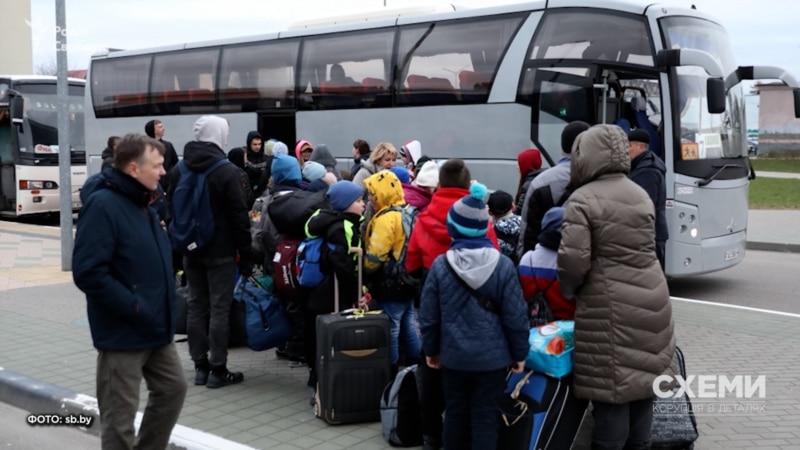
US Lawmakers Back Funds To Track Abducted Ukrainian Children As Key Research Unit Nears Shutdown
#Ukraine #abducted children #US lawmakers #funding #Russia #deportations #research unit #accountability
📌 Key Takeaways
- US lawmakers support funding to track Ukrainian children abducted by Russia
- A key research unit focused on this issue is at risk of shutting down
- The initiative aims to document and address forced deportations
- Funding is seen as critical for accountability and potential reunification efforts
📖 Full Retelling
🏷️ Themes
Ukraine conflict, Human rights
📚 Related People & Topics

Russia
Country in Eastern Europe and North Asia
Russia, or the Russian Federation, is a country in Eastern Europe and North Asia. It is the largest country in the world, spanning eleven time zones and sharing land borders with fourteen countries. With a population of over 140 million, Russia is the most populous country in Europe and the ninth-mo...

Ukraine
Country in Eastern Europe
# Ukraine **Ukraine** is a country located in Eastern Europe. It is the second-largest country in Europe by area, after Russia. Known for its extensive fertile plains, the nation serves as a critical global exporter of grain and is considered a middle power in international affairs. ## Geography a...
Entity Intersection Graph
Connections for Russia:
Mentioned Entities
Deep Analysis
Why It Matters
This news matters because it addresses the systematic abduction of Ukrainian children by Russian forces, which constitutes a potential war crime under international law. It affects thousands of Ukrainian families torn apart by conflict and has significant implications for post-war accountability and family reunification efforts. The potential shutdown of the key research unit tracking these cases threatens to undermine evidence collection for future prosecutions at international tribunals like the International Criminal Court.
Context & Background
- Since Russia's full-scale invasion of Ukraine in February 2022, Russian authorities have reportedly transferred thousands of Ukrainian children to Russia or Russian-controlled territories
- The International Criminal Court issued arrest warrants in March 2023 for Russian President Vladimir Putin and Children's Rights Commissioner Maria Lvova-Belova for alleged war crimes involving unlawful deportation of children
- Ukraine's government maintains a national database tracking missing and deported children, with estimates ranging from 19,000 to over 700,000 children affected according to various sources
- Previous US legislation including the 2022 Magnitsky Act amendments and 2023 appropriations have included provisions addressing Russian war crimes in Ukraine
- The research unit facing shutdown likely refers to organizations like the Conflict Observatory or State Department-funded documentation initiatives collecting evidence of Russian atrocities
What Happens Next
Congress will need to pass appropriations legislation before the unit's funding expires, potentially as part of upcoming budget negotiations. If funding is secured, documentation efforts will continue through 2024 with possible expansion of forensic methodologies. If funding lapses, alternative documentation mechanisms may emerge through international organizations or Ukrainian government agencies, though with potentially reduced capacity and coordination.
Frequently Asked Questions
Russian authorities claim they are evacuating children from conflict zones for their safety, but international investigators allege this constitutes unlawful deportation and forced adoption aimed at erasing Ukrainian identity. Many children are reportedly placed in Russian families or re-education camps.
Critical evidence collection would be disrupted, potentially compromising future war crimes prosecutions and family reunification efforts. Documentation of abduction patterns, locations, and perpetrators would become more fragmented across multiple organizations with less coordination.
Estimates vary significantly from 19,000 confirmed cases to over 700,000 potentially affected children. The discrepancy stems from different methodologies counting confirmed abductions versus children in occupied territories who may face coercive policies including passportization and re-education.
Return efforts involve diplomatic negotiations, international organization mediation, and legal proceedings. Successful returns have occurred through Qatar-mediated deals and individual family efforts, but systematic returns require sustained international pressure and post-conflict agreements.
Child abductions represent one category of alleged international crimes alongside attacks on civilians, torture, and sexual violence. Evidence collected supports broader accountability mechanisms including ICC investigations and potential special tribunals for the crime of aggression.