
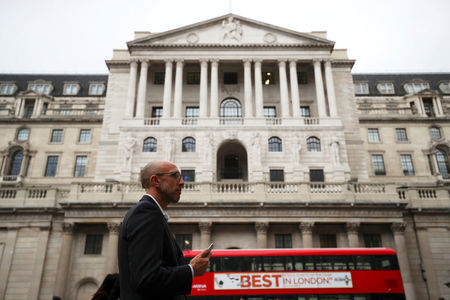
Deutsche Bank: Middle East energy shock could derail BoE’s disinflation path
#Deutsche Bank #Middle East #energy shock #Bank of England #disinflation #inflation #geopolitical risk
📌 Key Takeaways
- Deutsche Bank warns that an energy shock from the Middle East could disrupt the Bank of England's disinflation efforts.
- The potential shock is linked to geopolitical tensions affecting energy supplies and prices.
- Such an event could lead to renewed inflationary pressures in the UK economy.
- This scenario poses a risk to the BoE's monetary policy strategy aimed at controlling inflation.
🏷️ Themes
Economic Risk, Monetary Policy
📚 Related People & Topics

Deutsche Bank
German banking and financial services company
Deutsche Bank AG (German pronunciation: [ˈdɔʏtʃə ˈbaŋk ʔaːˈɡeː] , lit. 'German Bank') is a German multinational investment bank and financial services company headquartered in Frankfurt. It is dual-listed on the Frankfurt Stock Exchange and the New York Stock Exchange. Deutsche Bank was founded in ...

Middle East
Transcontinental geopolitical region
The Middle East is a geopolitical region encompassing the Arabian Peninsula, Egypt, Iran, Iraq, the Levant, and Turkey. The term came into widespread usage by Western European nations in the early 20th century as a replacement of the term Near East (both were in contrast to the Far East). The term ...
Entity Intersection Graph
Connections for Deutsche Bank:
Mentioned Entities
Deep Analysis
Why It Matters
This analysis matters because it highlights how geopolitical instability in the Middle East could directly impact inflation in the UK through energy price shocks. It affects consumers through potential higher living costs, businesses through increased operational expenses, and policymakers at the Bank of England who must balance inflation control with economic growth. If energy prices spike significantly, it could force the BoE to maintain higher interest rates for longer, slowing economic recovery and increasing borrowing costs for mortgages and loans.
Context & Background
- The Bank of England has been actively fighting high inflation since 2021, raising interest rates from 0.1% to 5.25% by early 2024
- Middle East tensions, particularly involving Iran, Israel, and shipping routes through the Strait of Hormuz, have periodically disrupted global oil supplies since the 1970s
- The UK imports approximately 40% of its natural gas and 50% of its oil, making it vulnerable to global energy market fluctuations
- Previous energy shocks, like the 1973 oil crisis and 2022 Russia-Ukraine war impacts, have triggered recessions and prolonged inflationary periods in the UK
- Disinflation refers to slowing inflation rates, not necessarily deflation (falling prices), which the BoE aims to achieve toward its 2% target
What Happens Next
The BoE will closely monitor Middle East developments and energy futures markets ahead of its next Monetary Policy Committee meetings (typically every six weeks). If tensions escalate significantly, expect emergency MPC meetings and potential interest rate adjustments. Energy companies may begin hedging against supply disruptions, affecting consumer energy bills within 1-2 billing cycles. The UK government may consider releasing strategic petroleum reserves or implementing temporary energy subsidies if prices spike severely.
Frequently Asked Questions
Middle East conflicts can disrupt oil production and shipping routes, reducing global supply and driving up crude oil prices. Since the UK imports half its oil and significant natural gas, higher energy costs would increase transportation, manufacturing, and heating expenses. These increased costs typically get passed to consumers through higher prices for goods and services, reigniting inflationary pressures.
The disinflation path refers to the BoE's planned trajectory to gradually reduce inflation from current levels to its 2% target. This involves carefully calibrated interest rate policies and quantitative tightening. The path assumes certain economic conditions, including stable energy prices, which Middle East shocks could disrupt, potentially requiring more aggressive monetary policy.
Deutsche Bank is one of Europe's largest and most influential financial institutions with extensive research capabilities. Their analysis affects market expectations and investor behavior. When major banks issue such warnings, policymakers often take notice as it can influence bond yields, currency values, and economic forecasts that shape actual economic outcomes.
Transportation, manufacturing, and utilities would face immediate cost increases. Retail and services would follow as higher operational costs get passed to consumers. The financial sector would be affected through changed interest rate expectations and potential loan defaults if economic growth slows significantly due to reduced consumer spending power.
Wholesale energy price changes typically reach consumers within 1-3 months through utility bills and fuel prices. Broader inflationary effects through increased production and transportation costs usually manifest in consumer goods within 3-6 months, creating a lagged but persistent inflationary impact that monetary policy must address.