
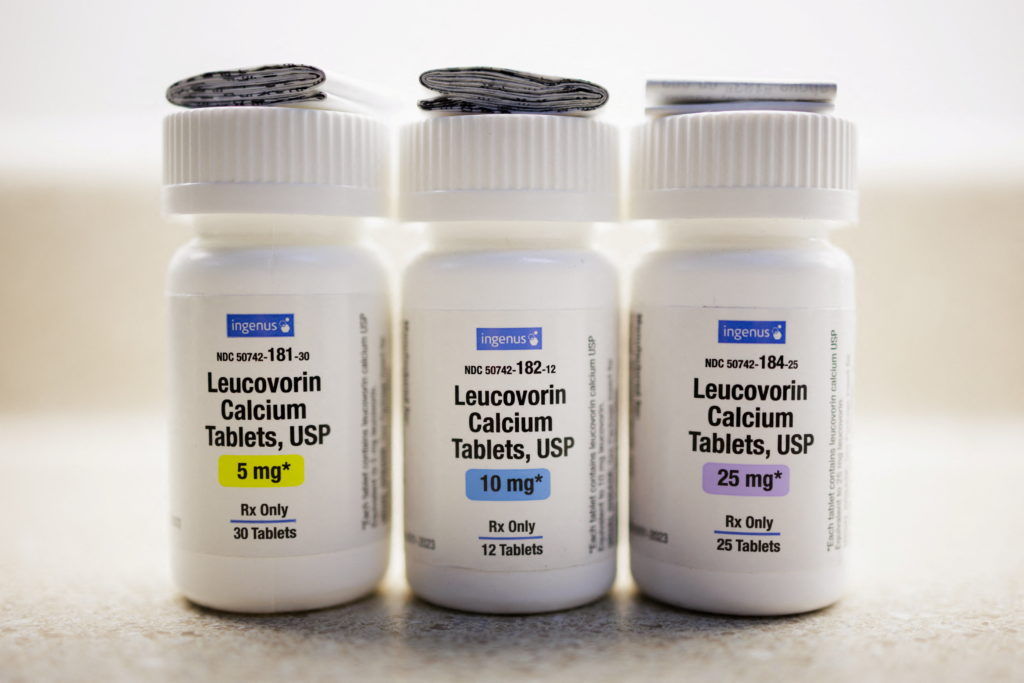
FDA finds little evidence that the generic drug leucovorin can help people with autism
#FDA #leucovorin #autism #generic drug #evidence #treatment #effectiveness #off-label
📌 Key Takeaways
- FDA review finds minimal evidence supporting leucovorin's effectiveness for autism
- Generic drug leucovorin lacks substantial proof of benefits in autism treatment
- FDA's assessment challenges potential off-label use for autism spectrum disorder
- Findings may impact prescribing practices and future autism therapy research
📖 Full Retelling
🏷️ Themes
FDA Regulation, Autism Treatment
Entity Intersection Graph
No entity connections available yet for this article.
Deep Analysis
Why It Matters
This news is important because it addresses a potential treatment for autism spectrum disorder (ASD), a condition affecting millions worldwide with limited pharmacological options. It directly impacts individuals with autism and their families who may be seeking alternative therapies, as well as healthcare providers considering off-label prescriptions. The FDA's findings help prevent the use of ineffective treatments, ensuring resources are directed toward evidence-based interventions and reducing false hope or financial burden on affected families.
Context & Background
- Leucovorin is a generic drug primarily used to counteract the toxic effects of methotrexate in cancer chemotherapy and to treat folate deficiency.
- Autism spectrum disorder is a neurodevelopmental condition characterized by challenges in social interaction, communication, and repetitive behaviors, with no known cure and limited FDA-approved medications targeting core symptoms.
- Some small-scale studies and anecdotal reports have suggested that leucovorin, due to its role in folate metabolism, might benefit certain individuals with autism, particularly those with cerebral folate deficiency, leading to off-label use.
What Happens Next
The FDA may issue formal guidance or warnings against using leucovorin for autism, potentially affecting prescribing practices. Researchers could conduct larger, more rigorous clinical trials to definitively assess leucovorin's efficacy, though funding may be limited given these findings. Advocacy groups and healthcare providers will likely update their recommendations to reflect the lack of evidence, steering patients toward proven behavioral and therapeutic interventions.
Frequently Asked Questions
Leucovorin is a form of folic acid used medically to treat folate deficiency and mitigate chemotherapy side effects. It was considered for autism due to hypotheses linking folate metabolism issues to neurodevelopmental symptoms, with some anecdotal reports of improvement in certain cases.
The FDA's finding indicates little evidence of benefit based on current data, but it does not rule out potential effects in specific subgroups, such as those with documented cerebral folate deficiency. However, without robust clinical trials, its use remains unsupported for general autism treatment.
They should consult healthcare providers before making any changes to treatment plans and focus on evidence-based approaches, such as behavioral therapies and FDA-approved medications for co-occurring symptoms. It is advisable to avoid unproven treatments without professional guidance.