
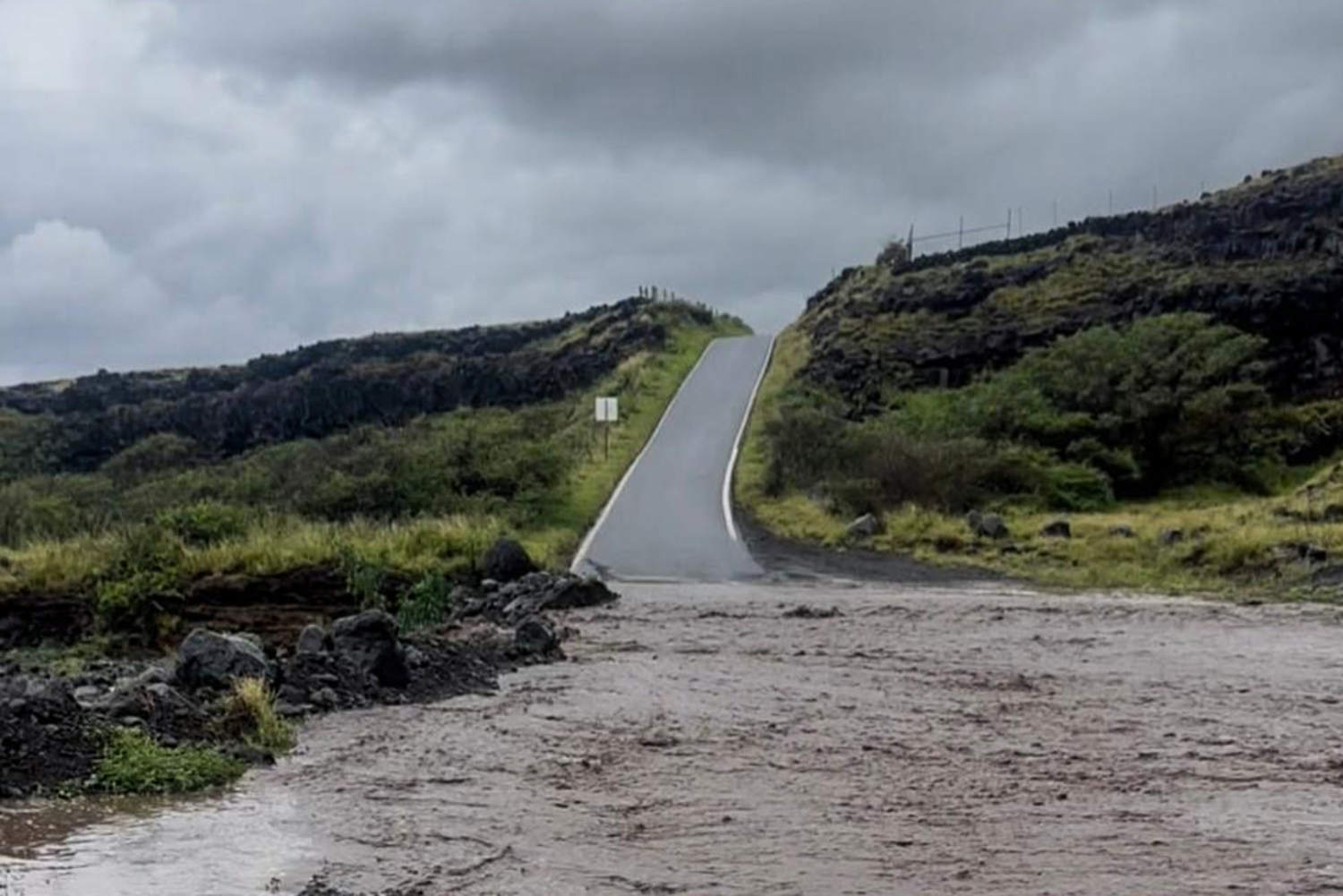
Hawaii braces for more rain as storms take aim at wildfire burn scars
#Hawaii #rain #storms #wildfire #burn scars #flooding #erosion
📌 Key Takeaways
- Hawaii is preparing for additional rainfall as storms approach the state.
- The storms are specifically targeting areas previously affected by wildfires.
- Wildfire burn scars are vulnerable to flooding and erosion during heavy rain.
- Authorities are likely issuing warnings and preparing for potential impacts.
📖 Full Retelling
🏷️ Themes
Weather, Disaster Preparedness
Entity Intersection Graph
No entity connections available yet for this article.
Deep Analysis
Why It Matters
This news matters because heavy rainfall on wildfire burn scars creates dangerous flash flooding and debris flow risks for communities still recovering from devastating fires. It affects residents who lost homes in previous wildfires, emergency responders, and infrastructure already damaged by fire. The situation threatens to compound existing trauma and slow recovery efforts while straining emergency resources. Vulnerable populations including elderly residents and those with limited mobility face particular danger from rapid flooding events.
Context & Background
- In August 2023, devastating wildfires on Maui killed at least 100 people and destroyed the historic town of Lahaina, making it Hawaii's deadliest natural disaster in decades
- Wildfire burn scars create hydrophobic soil conditions where water cannot penetrate easily, dramatically increasing runoff and flood risks
- Hawaii has experienced increased drought and wildfire frequency in recent years due to climate change and invasive grass species
- The state's steep volcanic terrain amplifies flood and debris flow dangers when heavy rain falls on burned areas
- Previous post-fire flooding events in Hawaii have caused additional property damage and complicated recovery efforts
What Happens Next
Emergency officials will likely issue evacuation orders for vulnerable areas as storms approach, with shelters opening for displaced residents. The National Weather Service will provide frequent updates on rainfall rates and flood warnings through the coming days. Recovery organizations may need to pause reconstruction work in affected zones until flood risks subside. State and federal agencies will assess new damage after storms pass, potentially seeking additional disaster declaration extensions.
Frequently Asked Questions
Burned soil becomes water-repellent and cannot absorb rainfall, causing rapid runoff that creates flash floods. The loss of vegetation also means nothing holds soil in place, leading to dangerous debris flows of mud, rocks, and burned material that can destroy homes and roads.
Areas downstream from recent wildfire burn scars, especially on Maui where the Lahaina fire occurred, face the greatest danger. Steep slopes and drainage channels near burned zones are particularly vulnerable to debris flows that can occur with little warning.
Emergency management agencies are monitoring weather forecasts closely and preparing evacuation plans for high-risk communities. They're clearing drainage systems, positioning emergency equipment, and coordinating with the National Weather Service to issue timely warnings to residents in potential flood paths.
Residents should monitor official weather alerts, prepare emergency kits, know evacuation routes, and be ready to leave immediately if ordered. Those near burn scars should avoid camping or parking in drainage areas and stay informed about changing conditions.
Elevated flood risks typically persist for 2-5 years after major wildfires until vegetation regrows sufficiently to stabilize soil. The first two rainy seasons after fires are usually the most dangerous period for debris flows and flash flooding.