
How money might have influenced Iran's decision to make Mojtaba Khamenei its new supreme leader
#Iran #Mojtaba Khamenei #Supreme Leader #Succession #Money #Influence #Politics #Wealth
📌 Key Takeaways
- Iran's leadership succession may involve financial considerations influencing Mojtaba Khamenei's potential appointment.
- Economic interests and wealth distribution could play a role in the decision-making process.
- The article suggests money might be a factor in securing political support for the transition.
- The analysis highlights potential connections between financial power and political authority in Iran.
📖 Full Retelling
🏷️ Themes
Political Succession, Financial Influence
📚 Related People & Topics
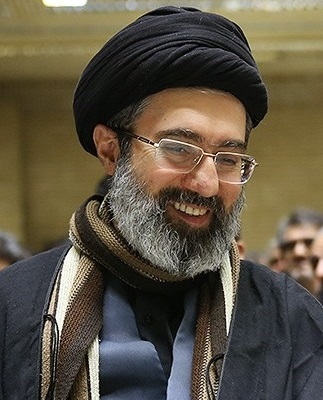
Mojtaba Khamenei
Iranian politician and cleric (born 1969)
Mojtaba Hosseini Khamenei (born 8 September 1969) is an Iranian politician and Muslim cleric. The second eldest child of Ali Khamenei, the former supreme leader of Iran, Mojtaba Khamenei served in the Iran–Iraq War from 1987 to 1988, and also reportedly took control of the Basij that was used to sup...
Entity Intersection Graph
Connections for Mojtaba Khamenei:
Mentioned Entities
Deep Analysis
Why It Matters
This news matters because it suggests potential financial motivations behind a critical leadership transition in Iran, which could impact the country's domestic stability and international relations. If true, it reveals how economic interests might shape political succession in a theocratic state, affecting Iran's 85 million citizens and regional neighbors. The speculation about Mojtaba Khamenei's appointment could influence foreign policy decisions by countries like the U.S., Israel, and Saudi Arabia, who monitor Iran's leadership for strategic planning.
Context & Background
- Iran's Supreme Leader is the highest political and religious authority in the Islamic Republic, with powers exceeding those of the president.
- The current Supreme Leader, Ayatollah Ali Khamenei, has held the position since 1989 following the death of Ayatollah Ruhollah Khomeini.
- Mojtaba Khamenei is the son of the current Supreme Leader and has been rumored as a potential successor for years.
- Iran's political system combines democratic elements (elected president and parliament) with theocratic oversight by religious institutions.
- Succession processes in Iran are opaque and involve complex negotiations among clerical, military, and political elites.
What Happens Next
If Mojtaba Khamenei is officially designated as successor, there will likely be increased scrutiny of his financial dealings and political connections. The formal transition would occur upon the current Supreme Leader's death or incapacitation, potentially triggering internal power struggles. International observers will monitor for changes in Iran's foreign policy and nuclear negotiations based on the new leadership's priorities.
Frequently Asked Questions
Mojtaba Khamenei is the second son of current Supreme Leader Ayatollah Ali Khamenei, born in 1969. He has studied Islamic theology in Qom and maintains a low public profile while reportedly wielding significant influence behind the scenes. Some analysts believe he has been groomed for leadership through roles in religious and security institutions.
Iran's Supreme Leader is selected by the Assembly of Experts, an 88-member body of Islamic scholars elected by the public. The Assembly evaluates candidates based on their religious qualifications and political views, though the process is heavily influenced by internal power dynamics. The current leader's recommendations often carry substantial weight in succession decisions.
Financial factors could include control over Iran's religious foundations (bonyads) which manage billions in assets, connections to business elites, and relationships with the Islamic Revolutionary Guard Corps' economic enterprises. The next Supreme Leader would influence economic policies and resource allocation, making financial considerations potentially significant in succession negotiations.
A leadership transition could shift Iran's foreign policy priorities, particularly regarding nuclear negotiations, regional proxy conflicts, and relations with Western powers. Mojtaba Khamenei's perceived ideological leanings and connections would signal whether Iran might adopt more hardline or pragmatic approaches. Regional rivals like Saudi Arabia and Israel would adjust their strategies based on the new leadership's perceived intentions.