
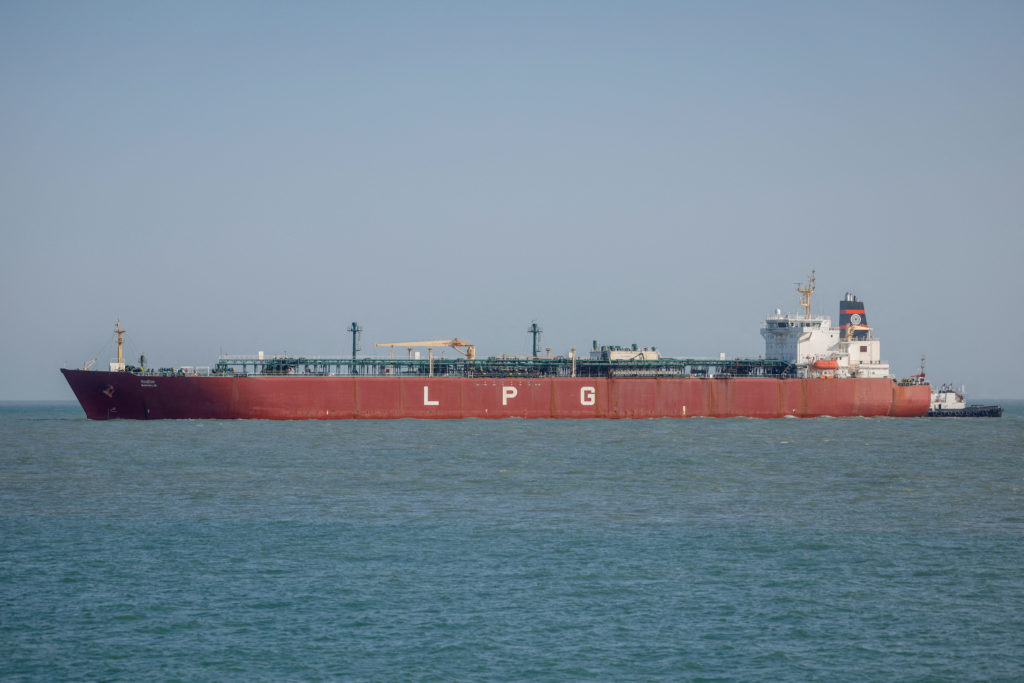
Iran continues exporting millions of barrels of oil as around 90 ships cross the Strait of Hormuz despite the war
#Iran #oil exports #Strait of Hormuz #shipping #war #energy trade #geopolitics
📌 Key Takeaways
- Iran maintains oil exports despite regional conflict, with millions of barrels shipped.
- Approximately 90 vessels navigated the Strait of Hormuz, a critical global oil chokepoint.
- The activity underscores Iran's resilience in sustaining energy trade amid geopolitical tensions.
- The Strait of Hormuz remains operational for oil transit despite ongoing war risks.
📖 Full Retelling
🏷️ Themes
Oil Exports, Geopolitical Risk, Maritime Trade
📚 Related People & Topics

Iran
Country in West Asia
# Iran **Iran**, officially the **Islamic Republic of Iran** and historically known as **Persia**, is a sovereign country situated in West Asia. It is a major regional power, ranking as the 17th-largest country in the world by both land area and population. Combining a rich historical legacy with a...

Strait of Hormuz
Strait between the Gulf of Oman and the Persian Gulf
The Strait of Hormuz ( Persian: تنگهٔ هُرمُز Tangeh-ye Hormoz , Arabic: مَضيق هُرمُز Maḍīq Hurmuz) is a strait between the Persian Gulf and the Gulf of Oman. It provides the only sea passage from the Persian Gulf to the open ocean and is one of the world's most strategically important choke points. ...
Entity Intersection Graph
Connections for Iran:
Mentioned Entities
Deep Analysis
Why It Matters
This news matters because it demonstrates Iran's continued ability to maintain its crucial oil exports despite regional conflicts, which directly impacts global energy markets and prices. It affects oil-importing nations dependent on stable supplies, shipping companies navigating the strategic waterway, and geopolitical actors monitoring Iran's economic resilience. The sustained flow also influences OPEC+ dynamics and shows how critical chokepoints like the Strait of Hormuz remain operational even during heightened tensions.
Context & Background
- The Strait of Hormuz is the world's most important oil transit chokepoint, handling about 21% of global petroleum consumption and 30% of seaborne traded oil.
- Iran has repeatedly threatened to close the Strait during conflicts, most notably during the Iran-Iraq War (1980-1988) and more recent tensions with the US and Gulf states.
- Iran's oil exports have been subject to various international sanctions over decades, particularly related to its nuclear program, but the country has developed methods to circumvent restrictions.
- The current regional war likely refers to ongoing conflicts involving Iran-backed groups in the Middle East, though Iran maintains it is not directly involved in hostilities.
- Approximately 90 ships daily is consistent with normal traffic through the Strait, indicating business-as-usual operations despite security concerns.
What Happens Next
International naval patrols will likely increase surveillance to ensure continued safe passage, while insurance premiums for vessels transiting the area may rise. Energy markets will monitor for any disruptions that could spike oil prices, and diplomatic efforts may intensify to prevent escalation that could threaten this vital shipping lane. If regional conflicts expand, there's risk of accidental incidents or targeted attacks that could temporarily disrupt traffic.
Frequently Asked Questions
Iran depends heavily on the Strait for its own oil exports and imports, making closure economically self-destructive. Additionally, such action would trigger massive international military response as it would disrupt global energy supplies.
Iran uses various methods including ship-to-ship transfers, disabling tracking systems, routing through intermediary countries, and selling at discounted prices to willing buyers like China. These tactics create shadow supply chains that bypass sanctions.
The narrow waterway connects Persian Gulf oil producers with global markets, with most Gulf exports passing through it. Its geography makes it easily monitored and potentially blocked, giving Iran leverage over neighboring rivals and global economies.
The US Navy's Fifth Fleet based in Bahrain leads international patrols, joined by regional allies. Commercial vessels also employ private security and coordinate with various national navies to ensure safe passage through these contested waters.
Continued smooth transit helps maintain stable prices, but any perceived threat to shipping causes immediate price spikes. The market remains sensitive to even rumors of disruption in this critical corridor.