
Iran picks new leader. And, Trump won't sign bills until Congress overhauls voting
#Iran #Mojtaba Khamenei #supreme leader #Trump #voting overhaul #Congress #legislation
📌 Key Takeaways
- Iran appoints Mojtaba Khamenei as the new supreme leader.
- President Trump refuses to sign bills until Congress reforms voting procedures.
- The leadership change in Iran marks a significant political shift.
- Trump's stance could delay legislative action in the U.S.
📖 Full Retelling
🏷️ Themes
Iran Leadership, U.S. Politics
📚 Related People & Topics
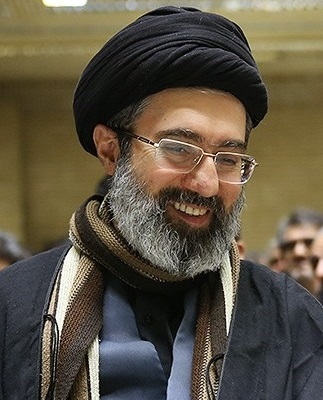
Mojtaba Khamenei
Iranian politician and cleric (born 1969)
Mojtaba Hosseini Khamenei (born 8 September 1969) is an Iranian politician and Muslim cleric. The second eldest child of Ali Khamenei, the former supreme leader of Iran, Mojtaba Khamenei served in the Iran–Iraq War from 1987 to 1988, and also reportedly took control of the Basij that was used to sup...

Iran
Country in West Asia
# Iran **Iran**, officially the **Islamic Republic of Iran** and historically known as **Persia**, is a sovereign country situated in West Asia. It is a major regional power, ranking as the 17th-largest country in the world by both land area and population. Combining a rich historical legacy with a...

Congress
Formal meeting of representatives
A congress is a formal meeting of the representatives of different countries, constituent states, organizations, trade unions, political parties, or other groups. The term originated in Late Middle English to denote an encounter (meeting of adversaries) during battle, from the Latin congressus.

Donald Trump
President of the United States (2017–2021; since 2025)
Donald John Trump (born June 14, 1946) is an American politician, media personality, and businessman who is the 47th president of the United States. A member of the Republican Party, he served as the 45th president from 2017 to 2021. Born into a wealthy New York City family, Trump graduated from the...
Entity Intersection Graph
Connections for Mojtaba Khamenei:
Mentioned Entities
Deep Analysis
Why It Matters
This news is important because it involves two major geopolitical developments with global implications. Iran's selection of a new supreme leader could signal a continuation or shift in its domestic and foreign policies, affecting regional stability and international relations, particularly regarding nuclear negotiations and Middle East tensions. Meanwhile, President Trump's refusal to sign bills until voting overhauls occur directly impacts U.S. governance, potentially stalling legislative progress on critical issues like the economy, healthcare, and national security, and reflects ongoing domestic political polarization over election integrity.
Context & Background
- Iran's supreme leader holds ultimate authority over the state's political and religious direction, with the previous leader, Ayatollah Ali Khamenei, serving since 1989, shaping Iran's policies on nuclear development, regional proxy conflicts, and relations with the West.
- In the U.S., debates over voting procedures have intensified since the 2020 presidential election, with claims of fraud leading to legislative efforts in some states to change election laws, though federal voting rights bills have faced partisan gridlock in Congress.
- President Trump has previously used executive actions and public statements to influence policy, including on immigration and trade, but refusing to sign bills until specific conditions are met represents an escalation in leveraging presidential power over legislative processes.
What Happens Next
In Iran, Mojtaba Khamenei's leadership will likely be followed by policy announcements and potential shifts in diplomatic engagements, with international observers monitoring for changes in nuclear deal negotiations or regional activities. In the U.S., Congress may face increased pressure to address voting reforms, possibly leading to stalled legislation on issues like infrastructure or budget bills until a compromise is reached, with legal and political challenges expected if reforms are enacted.
Frequently Asked Questions
Mojtaba Khamenei is the son of the previous supreme leader and a influential cleric; his selection suggests a potential continuation of conservative policies, possibly affecting Iran's domestic governance, nuclear stance, and relations with countries like the U.S. and Saudi Arabia.
President Trump is leveraging his signing authority to pressure Congress into passing voting reforms, likely aimed at addressing concerns about election integrity raised by his supporters, which could impact future elections and partisan dynamics in the U.S.
Iran's leadership change could influence diplomatic efforts, such as nuclear deal revivals, while U.S. legislative gridlock may hinder its ability to engage globally on issues like climate change or security alliances, affecting bilateral and multilateral partnerships.
Stalled bills could delay critical funding and reforms, leading to government inefficiencies and heightened political tensions, with possible legal battles if voting changes are implemented, impacting citizens' access to services and electoral processes.