
Iran's new supreme leader is ultra-conservative Mojtaba Khamenei
#Iran #supreme leader #Mojtaba Khamenei #ultra-conservative #political shift
📌 Key Takeaways
- Mojtaba Khamenei has been appointed as Iran's new supreme leader.
- He is described as an ultra-conservative figure.
- This leadership change marks a significant shift in Iran's political landscape.
- The appointment could influence Iran's domestic and foreign policies.
📖 Full Retelling
🏷️ Themes
Leadership Change, Iran Politics
📚 Related People & Topics
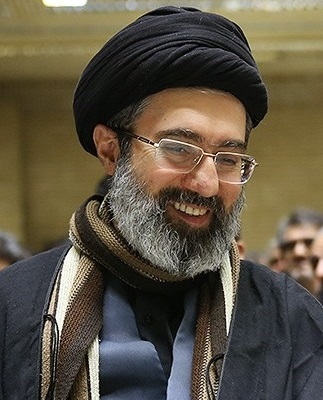
Mojtaba Khamenei
Iranian politician and cleric (born 1969)
Mojtaba Hosseini Khamenei (born 8 September 1969) is an Iranian politician and Muslim cleric. The second eldest child of Ali Khamenei, the former supreme leader of Iran, Mojtaba Khamenei served in the Iran–Iraq War from 1987 to 1988, and also reportedly took control of the Basij that was used to sup...

Iran
Country in West Asia
# Iran **Iran**, officially the **Islamic Republic of Iran** and historically known as **Persia**, is a sovereign country situated in West Asia. It is a major regional power, ranking as the 17th-largest country in the world by both land area and population. Combining a rich historical legacy with a...
Entity Intersection Graph
Connections for Mojtaba Khamenei:
Mentioned Entities
Deep Analysis
Why It Matters
This news matters because the Supreme Leader is Iran's highest authority, controlling the military, judiciary, and foreign policy. Mojtaba Khamenei's ultra-conservative stance signals a potential hardening of Iran's domestic and international positions, affecting human rights, nuclear negotiations, and regional conflicts. This impacts Iran's 85 million citizens, neighboring countries, global energy markets, and international diplomatic relations.
Context & Background
- The Supreme Leader is the highest-ranking political and religious authority in Iran's theocratic system
- Previous Supreme Leader Ali Khamenei (Mojtaba's father) held power for 35 years until his recent death
- The Assembly of Experts, an 88-member clerical body, is constitutionally responsible for selecting the Supreme Leader
- Iran's government structure combines democratic elements (president, parliament) with theocratic oversight by the Supreme Leader
- Mojtaba Khamenei has served as his father's chief of staff and was considered a leading conservative faction figure
What Happens Next
Expect immediate consolidation of power by Mojtaba Khamenei through appointments of loyalists to key military and judicial positions. International nuclear negotiations will likely stall as Iran adopts harder positions. Domestic protests may increase in response to anticipated stricter social controls, while regional proxy conflicts could intensify within 3-6 months.
Frequently Asked Questions
The Supreme Leader controls the armed forces, intelligence agencies, judiciary, and state media. They appoint half the Guardian Council members who vet candidates, effectively controlling who can run for office. This gives them ultimate authority over all state matters.
Mojtaba Khamenei's ultra-conservative stance suggests reduced willingness to compromise on nuclear restrictions. Expect stalled negotiations with Western powers and potential acceleration of uranium enrichment activities, increasing regional tensions.
Ultra-conservative leadership typically means stricter enforcement of religious laws, harsher penalties for dissent, and reduced women's rights. Expect increased internet censorship, more restrictions on personal freedoms, and crackdowns on protests.
Saudi Arabia and Israel will likely increase military preparedness and seek stronger US security guarantees. Gulf states may accelerate normalization with Israel while regional proxy conflicts in Syria, Yemen, and Lebanon could intensify.
Yes, despite formal appointment, Mojtaba faces challenges from moderate factions and Revolutionary Guard commanders testing his authority. Initial months will involve power consolidation through purges and strategic appointments to secure control.