

Khamenei’s hardline son Mojtaba appointed Iran’s new leader, Pope Leo warns of Middle East ’hatred and fear’
#Mojtaba Khamenei #Iran #hardline #Pope Leo #Middle East #hatred #fear #leadership
📌 Key Takeaways
- Mojtaba Khamenei, son of Supreme Leader Ali Khamenei, has been appointed as Iran's new leader.
- The appointment signals a continuation of hardline policies within Iran's leadership.
- Pope Leo has issued a warning about rising 'hatred and fear' in the Middle East.
- The development highlights potential regional instability and international concern.
🏷️ Themes
Iran Leadership, Regional Tensions
📚 Related People & Topics
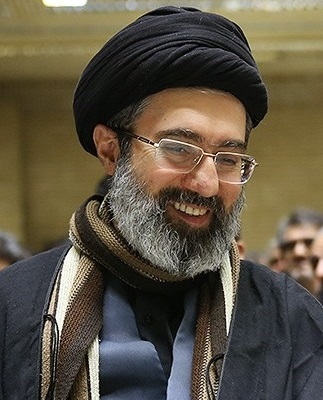
Mojtaba Khamenei
Iranian politician and cleric (born 1969)
Mojtaba Hosseini Khamenei (born 8 September 1969) is an Iranian politician and Muslim cleric. The second eldest child of Ali Khamenei, the former supreme leader of Iran, Mojtaba Khamenei served in the Iran–Iraq War from 1987 to 1988, and also reportedly took control of the Basij that was used to sup...
Pope Leo
Topics referred to by the same term
Pope Leo is the name of fourteen heads of the Catholic Church:

Iran
Country in West Asia
# Iran **Iran**, officially the **Islamic Republic of Iran** and historically known as **Persia**, is a sovereign country situated in West Asia. It is a major regional power, ranking as the 17th-largest country in the world by both land area and population. Combining a rich historical legacy with a...

Middle East
Transcontinental geopolitical region
The Middle East is a geopolitical region encompassing the Arabian Peninsula, Egypt, Iran, Iraq, the Levant, and Turkey. The term came into widespread usage by Western European nations in the early 20th century as a replacement of the term Near East (both were in contrast to the Far East). The term ...
Entity Intersection Graph
Connections for Mojtaba Khamenei:
Mentioned Entities
Deep Analysis
Why It Matters
This news matters because it signals a potential dynastic succession in Iran's theocratic leadership, which could solidify hardline control and influence regional stability. The appointment of Mojtaba Khamenei, known for his conservative stance, may affect Iran's domestic policies, nuclear negotiations, and relations with Western powers. Pope Leo's warning highlights growing international concern about escalating tensions in the Middle East, impacting global diplomacy and security. This development affects Iranian citizens, regional neighbors, and international stakeholders invested in Middle East peace.
Context & Background
- Iran's Supreme Leader Ayatollah Ali Khamenei has held power since 1989, overseeing the country's theocratic system and foreign policy.
- Mojtaba Khamenei has long been speculated as a potential successor, though Iran's leadership transition process involves the Assembly of Experts.
- The Pope's involvement reflects the Vatican's historical role as a diplomatic intermediary in Middle East conflicts, particularly regarding Christian communities.
What Happens Next
Expect increased scrutiny from international observers on Iran's internal power dynamics and potential protests from reformist factions. The Vatican may initiate diplomatic outreach to mitigate regional tensions, while global powers will monitor how this leadership shift impacts nuclear deal negotiations and regional proxy conflicts.
Frequently Asked Questions
Mojtaba Khamenei is the son of current Supreme Leader Ayatollah Ali Khamenei and a prominent hardline cleric. His appointment marks a potential shift toward dynastic rule in Iran's theocratic system, which could consolidate conservative control over the country's political and religious institutions.
Pope Leo's statement reflects growing international alarm about escalating sectarian and political divisions in the region. It suggests the Vatican is concerned about deteriorating humanitarian conditions and the potential for broader conflict affecting religious minorities and regional stability.
A hardline leadership under Mojtaba Khamenei could lead to more confrontational policies toward Western nations and regional rivals like Saudi Arabia and Israel. This may complicate nuclear negotiations and increase support for proxy groups, potentially destabilizing the Middle East further.