
N Korea ‘respects’ Iran’s selection of Mojtaba Khamenei as supreme leader
#North Korea #Iran #Mojtaba Khamenei #supreme leader #diplomacy #political succession #international support
📌 Key Takeaways
- North Korea expresses respect for Iran's selection of Mojtaba Khamenei as supreme leader.
- The statement indicates diplomatic support between North Korea and Iran.
- The selection of Mojtaba Khamenei is acknowledged as a significant political development in Iran.
- The interaction highlights ongoing international relations between the two countries.
📖 Full Retelling
🏷️ Themes
International Relations, Political Leadership
📚 Related People & Topics
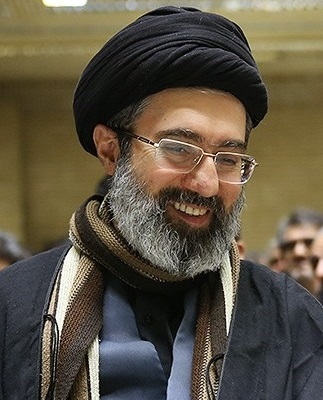
Mojtaba Khamenei
Iranian politician and cleric (born 1969)
Mojtaba Hosseini Khamenei (born 8 September 1969) is an Iranian politician and Muslim cleric. The second eldest child of Ali Khamenei, the former supreme leader of Iran, Mojtaba Khamenei served in the Iran–Iraq War from 1987 to 1988, and also reportedly took control of the Basij that was used to sup...

Iran
Country in West Asia
# Iran **Iran**, officially the **Islamic Republic of Iran** and historically known as **Persia**, is a sovereign country situated in West Asia. It is a major regional power, ranking as the 17th-largest country in the world by both land area and population. Combining a rich historical legacy with a...

North Korea
Country in East Asia
North Korea, officially the Democratic People's Republic of Korea (DPRK), is a country in East Asia. It constitutes the northern half of the Korean Peninsula and borders China and Russia to the north at the Yalu (Amnok) and Tumen rivers, and South Korea to the south at the Korean Demilitarized Zone ...
Entity Intersection Graph
Connections for Mojtaba Khamenei:
Mentioned Entities
Deep Analysis
Why It Matters
This news matters because it signals potential strengthening of anti-Western alliances between two heavily sanctioned nations, which could complicate international diplomacy and security dynamics. It affects global powers like the United States and European nations who view both countries as security threats, as well as regional stability in the Middle East and East Asia. The endorsement suggests North Korea may be positioning itself as a supporter of Iran's leadership transition, potentially indicating closer military or technological cooperation between the two nations.
Context & Background
- North Korea and Iran have maintained diplomatic relations since 1973 and share common adversaries in Western powers, particularly the United States
- Both countries face extensive international sanctions related to their nuclear programs and human rights records
- Iran's current Supreme Leader Ali Khamenei has held the position since 1989, and succession planning has been a sensitive topic in Iranian politics
- North Korea has previously supported Iran's nuclear program and missile technology development through alleged technical exchanges
- The two nations have frequently coordinated their diplomatic positions at the United Nations and other international forums
What Happens Next
International observers will monitor whether this endorsement leads to increased diplomatic exchanges or cooperation agreements between Pyongyang and Tehran. Western intelligence agencies will likely increase scrutiny of potential technology transfers, particularly regarding missile or nuclear programs. The announcement may prompt responses from the United States and allies, potentially leading to additional sanctions or diplomatic statements condemning the relationship.
Frequently Asked Questions
Mojtaba Khamenei is the son of Iran's current Supreme Leader Ali Khamenei and is considered a potential successor to his father's position. He maintains a low public profile but is believed to wield significant influence within Iran's political and religious establishment.
North Korea likely sees strategic value in supporting Iran's leadership transition to strengthen anti-Western alliances and potentially secure reciprocal support for its own regime. Such endorsements help both countries counter international isolation and present a united front against Western pressure.
This development could further complicate nuclear non-proliferation efforts and regional security dynamics. It may prompt Western nations to coordinate more closely on sanctions enforcement and intelligence sharing regarding potential technology transfers between the two countries.
The term 'respects' indicates formal diplomatic approval rather than mere acknowledgment, suggesting North Korea is positioning itself as a supporter of Iran's internal political processes. This language choice carries more weight than neutral terminology and implies endorsement of the succession arrangement.