
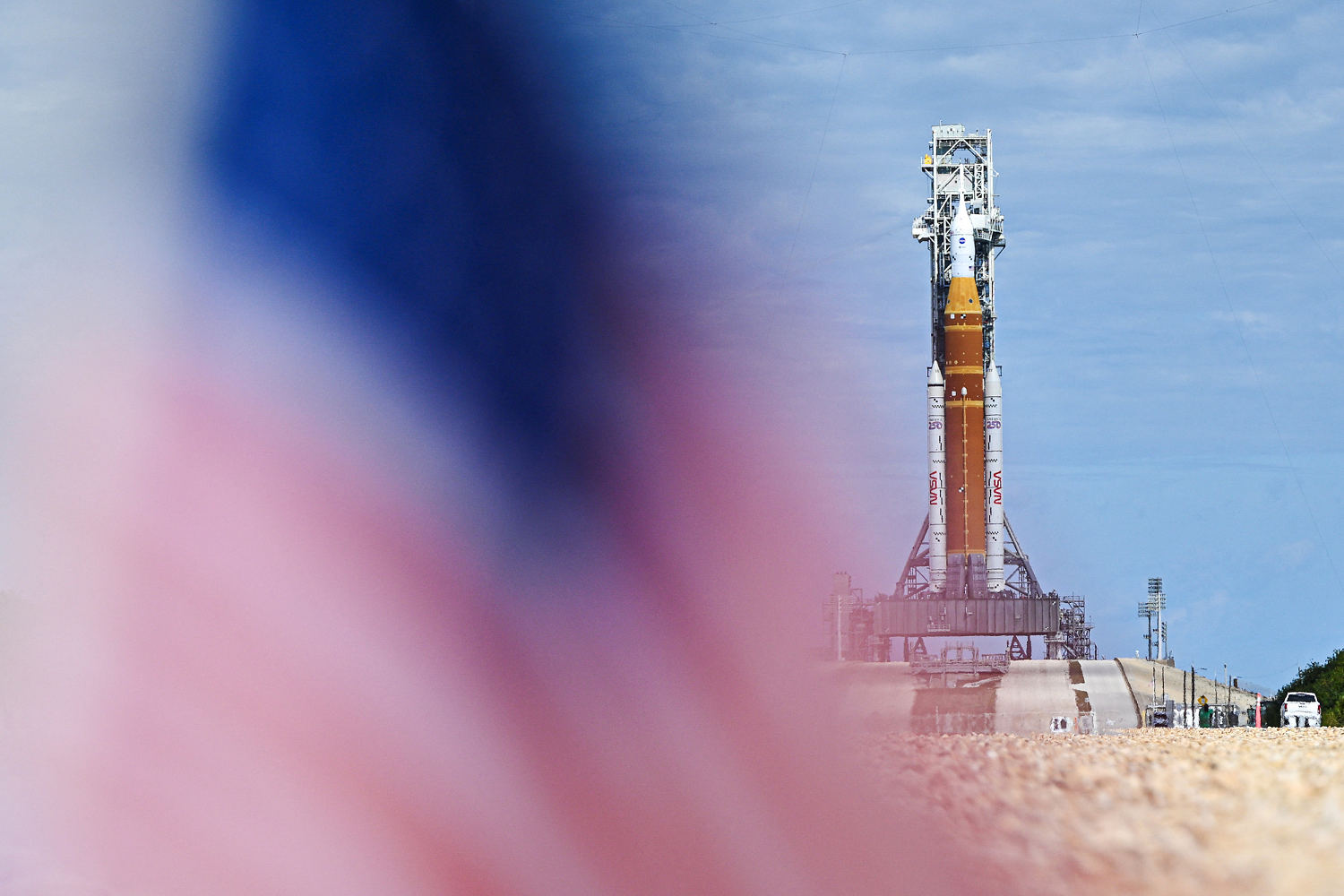
NASA delays Artemis II moon launch after issues during rehearsal
#NASA #Artemis II #Moon mission #SLS rocket #Astronauts #Spaceflight safety #Kennedy Space Center
📌 Key Takeaways
- NASA has officially postponed the Artemis II mission following technical issues discovered during a launch rehearsal.
- The mission is set to carry four astronauts on the first crewed lunar orbit since the Apollo era.
- The delay was triggered by system performance concerns involving the Space Launch System (SLS) rocket.
- NASA emphasizes that identifying these issues during testing is a critical safety protocol for crewed missions.
📖 Full Retelling
NASA officials announced on Tuesday from the Kennedy Space Center in Florida that the highly anticipated Artemis II lunar flyby mission will be delayed following the discovery of technical complications during a critical countdown rehearsal. The space agency made the strategic decision to push back the launch schedule after engineers identified performance issues with the Space Launch System (SLS) rocket and ground systems, which are essential for ensuring the safety of the four-person crew. This mission represents the first time humans will orbit the moon in over half a century, necessitating a flawless execution of all hardware and software components before the astronauts board the vessel.
The specific concerns arose during a rigorous testing phase designed to simulate the final hours of the launch sequence. While NASA has not yet released a comprehensive technical report, the mission management team indicated that several systems did not meet the stringent margins required for deep-space human exploration. This setback follows the successful uncrewed Artemis I mission, but the transition to a crewed flight introduces significantly higher risks and more complex life-support requirements. The crew, consisting of three Americans and one Canadian, remains in active training while the engineering teams work to resolve the anomalies discovered during the dress rehearsal.
This delay reflects a broader trend of cautious precision within the Artemis program as it aims to establish a sustainable human presence on the lunar surface. By prioritizing the resolution of these technical hurdles now, NASA intends to prevent a more serious mission failure later during the flight. The revised timeline is expected to push the launch into a later window, though a specific new date has not been finalized. Despite the setback, the agency maintains that these rigorous testing protocols are functioning exactly as intended by identifying potential points of failure before the mission leaves the launchpad, ultimately safeguarding the future of lunar exploration.
🏷️ Themes
Space Exploration, Technology, Science
Entity Intersection Graph
No entity connections available yet for this article.