
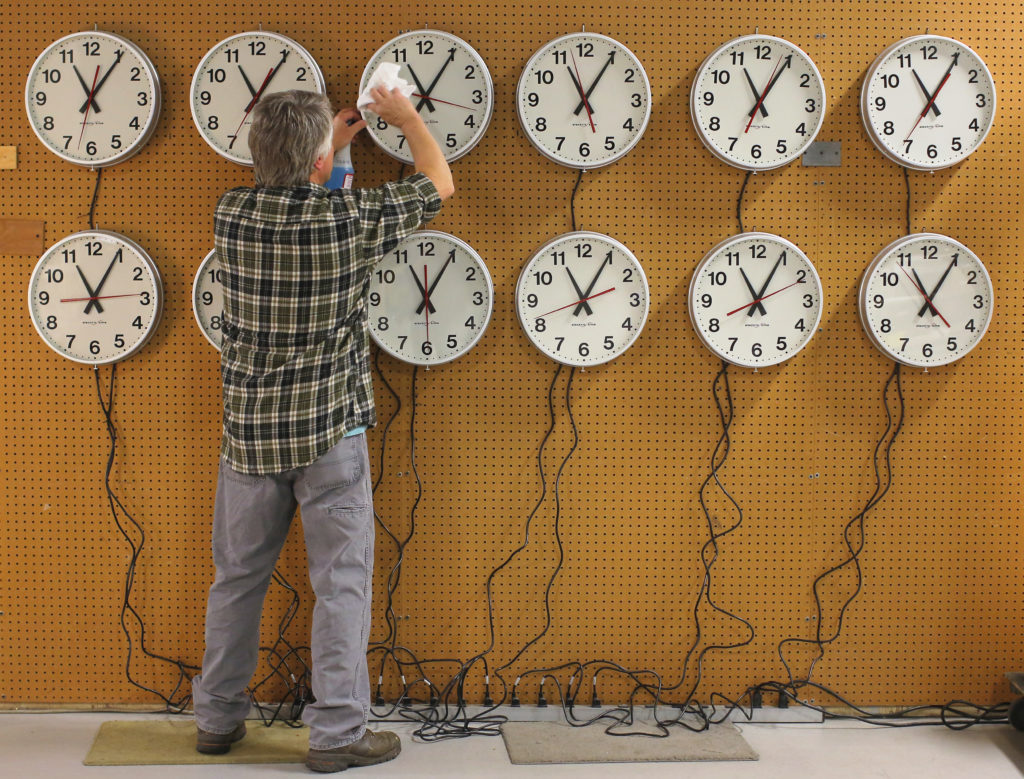
This weekend's U.S. clock change brings back debate over daylight saving time
#daylight saving time #clock change #U.S. #debate #legislation #energy #health #permanent DST
📌 Key Takeaways
- Daylight saving time begins this weekend in the U.S., requiring clocks to move forward one hour.
- The biannual time change reignites ongoing public and legislative debate over its necessity and impact.
- Proponents argue it saves energy and benefits businesses, while opponents cite health and safety concerns.
- Some states have passed laws to adopt permanent daylight saving time, but federal approval is required.
📖 Full Retelling
🏷️ Themes
Time Policy, Public Debate
Entity Intersection Graph
No entity connections available yet for this article.
Deep Analysis
Why It Matters
This debate affects millions of Americans' daily lives, influencing sleep patterns, health, and productivity. It has economic implications for industries like retail and energy, and raises public safety concerns regarding traffic accidents. The recurring discussion highlights broader societal preferences for time standardization versus seasonal adjustment.
Context & Background
- Daylight saving time (DST) was first implemented in the U.S. in 1918 during World War I to conserve energy.
- The Uniform Time Act of 1966 standardized DST across most of the U.S., though states can opt out (e.g., Arizona and Hawaii).
- In 2005, the Energy Policy Act extended DST by about a month, shifting it from early April to mid-March through early November.
- Recent years have seen increased legislative efforts, such as the Sunshine Protection Act, to make DST permanent, but it has stalled in Congress.
What Happens Next
Following the clock change, Congress may revisit bills like the Sunshine Protection Act, though passage remains uncertain due to regional disagreements. States could continue proposing their own time-keeping laws, potentially leading to a patchwork system if federal action delays. Public and health advocacy groups will likely amplify calls for reform ahead of the next scheduled change in November.
Frequently Asked Questions
DST persists due to historical energy-saving goals and perceived benefits for evening activities, though modern studies question its efficiency. Legislative inertia and regional disagreements have prevented permanent change, keeping the biannual shift in place.
The shift can disrupt circadian rhythms, leading to short-term sleep issues, increased heart attack risks, and mood disturbances. Health experts often advocate for ending the practice to reduce these negative effects on well-being.
Yes, states can opt out of DST and remain on standard time year-round, as Arizona and Hawaii do. However, they cannot permanently adopt DST without federal approval, which requires congressional action.
DST may boost sectors like retail and tourism by extending evening daylight, but it can disrupt agriculture, transportation, and international business due to time inconsistencies. The net economic impact is debated, with studies showing mixed results.
It's a proposed federal law to make daylight saving time permanent across the U.S., eliminating biannual clock changes. The Senate passed it in 2022, but it stalled in the House due to concerns over morning darkness and regional preferences.