
SP
BravenNow
Trump says he will raise new global tariff to 15% after Supreme Court setback
| USA | general | ✓ Verified - nbcnews.com

Trump says he will raise new global tariff to 15% after Supreme Court setback

#Trump tariffs #Global tariff increase #Supreme Court ruling #Trade protectionism #Import taxes #International trade #Economic policy

📌 Key Takeaways

  • Trump raised global tariff to 15% from 10% announced just a day earlier
  • The increase came after Supreme Court struck down most of his tariffs in a 6-3 decision
  • The ruling was based on the International Emergency Economic Powers Act of 1977
  • Some sector-specific tariffs on autos, car parts, and semiconductor chips were allowed to continue

📖 Full Retelling

President Donald Trump announced on Saturday, February 21, 2026, that he was raising his newly implemented global tariff from 10% to 15% in response to the Supreme Court's 6-3 decision the previous day that struck down most of his sweeping import taxes on foreign trading partners. The increase came less than 24 hours after Trump had initially reinstated a 10% worldwide duty following the court's ruling that his aggressive approach to tariffs exceeded presidential authority under the International Emergency Economic Powers Act of 1977. In his social media announcement, Trump justified the increase as bringing tariffs to the 'fully allowed, and legally tested, 15% level,' while claiming that many countries had been 'ripping' the U.S. off for decades without retribution until his presidency. The Supreme Court's decision specifically invalidated the vast majority of tariffs that were in effect, though it allowed some sector-specific duties such as those on automobiles, car parts, and semiconductor chips to continue, leaving Trump to recalibrate his trade strategy within the legal boundaries established by the justices.

🏷️ Themes

Trade Policy, Legal Challenges, Economic Protectionism

📚 Related People & Topics

Protectionism

Protectionism

Economic policy of restricting imports

Protectionism, sometimes referred to as trade protectionism, is the economic policy of restricting imports from other countries through methods such as tariffs on imported goods, import quotas, and a variety of other government regulations. Proponents argue that protectionist policies shield the pro...

View Profile → Wikipedia ↗
Tariff

Tariff

Goods import or export tax

A tariff or import tax is a duty imposed by a national government, customs territory, or supranational union on imports of goods and is paid by the importer. Exceptionally, an export tax may be levied on exports of goods or raw materials and is paid by the exporter. Besides being a source of revenue...

View Profile → Wikipedia ↗

Tariffs in the Trump administration

Topics referred to by the same term

Tariffs in the Trump administration could refer to:

View Profile → Wikipedia ↗

Entity Intersection Graph

Connections for Protectionism:

🌐 Tariffs in the Trump administration 6 shared
🌐 Commercial policy 3 shared
🌐 Supreme court 2 shared
🌐 Tariff 2 shared
🌐 Economic impact analysis 1 shared
View full profile

Deep Analysis

Why It Matters

The U.S. is raising its global tariff to 15% after a Supreme Court ruling invalidated most tariffs, signaling a shift in trade policy and potential retaliation against foreign competitors. This move could affect global supply chains and international relations, as the U.S. seeks to protect domestic industries.

Context & Background

  • Supreme Court invalidated most Trump tariffs in 6-3 decision
  • Trump reinstated a 10% global tariff after ruling
  • Tariff increase to 15% announced shortly after Supreme Court setback

What Happens Next

The new 15% tariff will apply to all foreign goods, except for sector-specific duties that survived the court ruling. Trade partners may respond with counter‑tariffs, potentially escalating a trade dispute. The U.S. government will likely defend the measure in international forums and monitor economic impacts.

Frequently Asked Questions

Why did the Supreme Court strike down the tariffs?

The court ruled that the tariffs exceeded the authority granted by the International Emergency Economic Powers Act.

Which sectors were exempt from the court ruling?

Auto parts, cars, and semiconductor chips were exempt from the invalidation.

How will the 15% tariff affect U.S. consumers?

Higher tariffs could raise prices for imported goods, potentially increasing costs for consumers.

Original Source
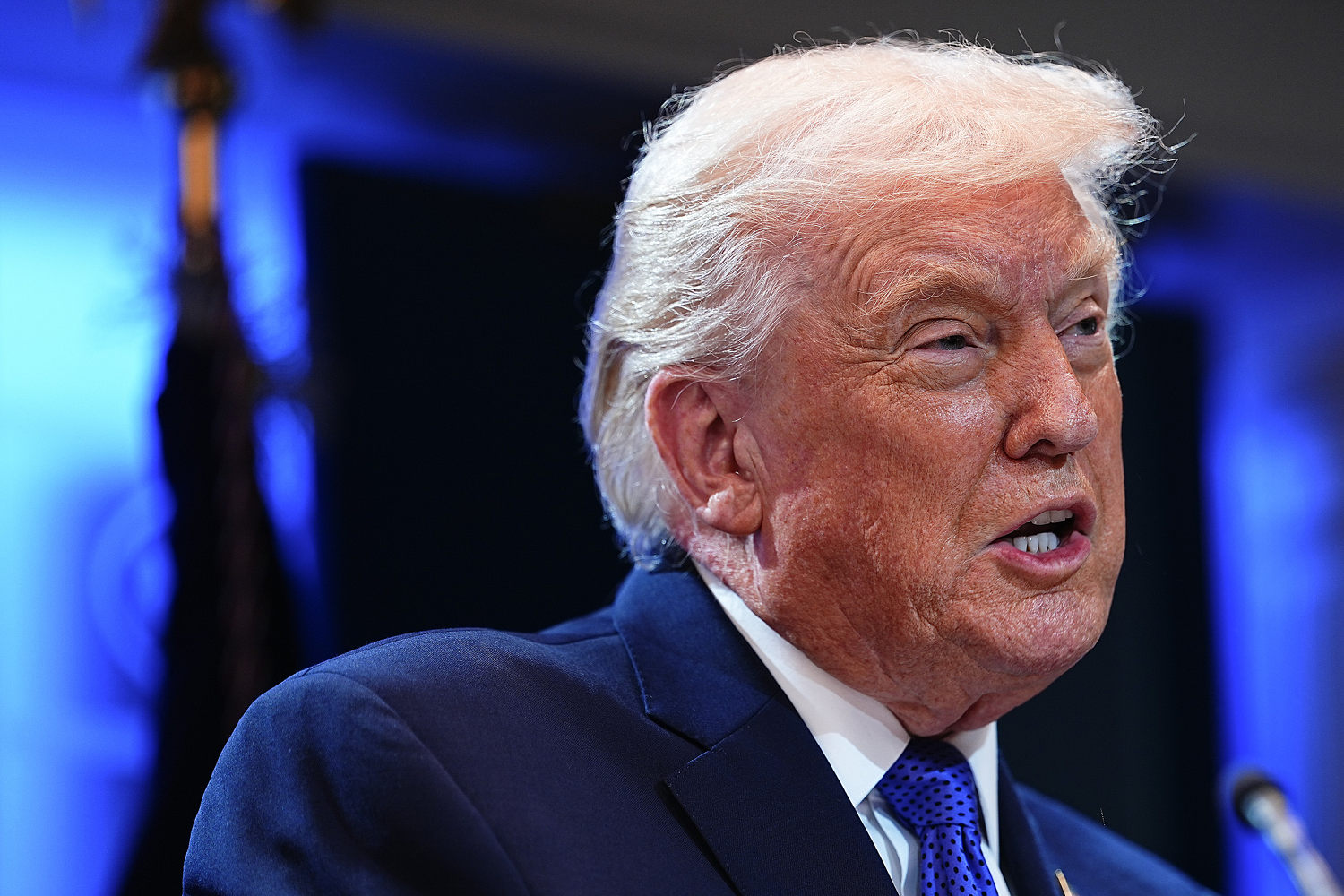
BREAKING NEWS Feb. 21, 2026, 4:35 PM UTC Trump tariffs Trump raises global tariff to 15% shortly after implementing reworked 10% levy On Friday, most of Trump's tariffs were struck down by the Supreme Court in a 6-3 decision. President Donald Trump initially reinstated a 10% global tariff following the Supreme Court's decision. Aaron Schwartz / Getty Images Share Add NBC News to Google By Steve Kopack Listen to this article with a free account 00:00 00:00 President Donald Trump on Saturday said that he was hiking his newly-announced global tariff to 15%, less than one day after announcing a 10% worldwide duty. On Friday, Trump announced the blanket 10% import tax for all foreign trading partners after most of his sweeping tariffs were struck down by the Supreme Court. The justices, divided 6-3, ruled that Trump's aggressive approach to tariffs on imports from across the world was not permitted under a 1977 law called the International Emergency Economic Powers Act . The Friday ruling invalidated the vast majority of tariffs that were in effect, except for some sector-specific duties such as those on autos, car parts and semiconductor chips. "I, as President of the United States of America, will be, effective immediately, raising the 10% Worldwide Tariff on Countries, many of which have been “ripping” the U.S. off for decades, without retribution (until I came along!), to the fully allowed, and legally tested, 15% level," Trump wrote in a social media post on Saturday. Share Add NBC News to Google Steve Kopack Steve Kopack is a senior reporter at NBC News covering business and the economy.
Read full article at source

Source

nbcnews.com

More from USA

News from Other Countries

🇬🇧 United Kingdom

🇺🇦 Ukraine