
Watch: Biden remembers Jesse Jackson as "undeterred and unafraid" in eulogy at funeral
#Jesse Jackson #Joe Biden #eulogy #civil rights #funeral #racial justice #activism
📌 Key Takeaways
- President Biden eulogized Rev. Jesse Jackson as a fearless and persistent civil rights leader.
- Biden highlighted Jackson's lifelong dedication to racial justice and equality in America.
- The funeral served as a tribute to Jackson's impact on the civil rights movement and political activism.
- Biden's remarks emphasized Jackson's unwavering commitment despite facing significant opposition.
📖 Full Retelling
🏷️ Themes
Civil Rights, Political Tributes
📚 Related People & Topics
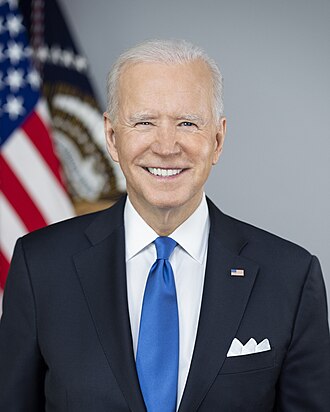
Joe Biden
President of the United States from 2021 to 2025
Joseph Robinette Biden Jr. (born November 20, 1942) is an American politician who was the 46th president of the United States from 2021 to 2025. A member of the Democratic Party, he represented Delaware in the United States Senate from 1973 to 2009 and also served as the 47th vice president under Pr...

Jesse Jackson
American activist and politician (1941–2026)
Jesse Louis Jackson (né Burns; October 8, 1941 – February 17, 2026) was an American civil rights activist, politician, and ordained Baptist minister. Beginning as a young protégé of Martin Luther King Jr. during the civil rights movement, Jackson has maintained his status as a prominent civil rights...
Entity Intersection Graph
Connections for Joe Biden:
Mentioned Entities
Deep Analysis
Why It Matters
This news matters because it highlights the intersection of civil rights legacy and contemporary politics. President Biden's eulogy for Rev. Jesse Jackson connects his administration to the ongoing struggle for racial justice, which affects Black communities, political activists, and voters evaluating Biden's commitment to civil rights. The speech serves as both a historical tribute and a political statement during an election year, potentially influencing voter perceptions of Biden's alignment with civil rights values. It also underscores how Jackson's decades of activism continue to shape national conversations about equality and political representation.
Context & Background
- Jesse Jackson founded the Rainbow/PUSH Coalition in 1971 and ran for president in 1984 and 1988, becoming the second African American to mount a nationwide presidential campaign.
- Jackson's 1984 campaign registered millions of new voters and pioneered the 'Rainbow Coalition' concept advocating for marginalized groups beyond racial lines.
- He negotiated the release of American hostages in Syria (1984) and Yugoslavia (1999) and was awarded the Presidential Medal of Freedom in 2000.
- Jackson's activism spanned from working with Martin Luther King Jr. in the 1960s to modern economic justice campaigns, bridging multiple generations of civil rights work.
- Biden has frequently referenced civil rights leaders in his speeches, positioning himself as continuing their legacy while facing criticism from some activists about the pace of progress.
What Happens Next
Political analysts will assess how Biden's tribute resonates with Black voters ahead of the November election. Jackson's Rainbow/PUSH Coalition will likely continue advocacy work with potential endorsements in upcoming races. Memorial events and academic discussions about Jackson's legacy will continue through 2024, coinciding with the 60th anniversary of the Civil Rights Act. Biden's civil rights agenda may face increased scrutiny as activists compare his policies to Jackson's historical demands.
Frequently Asked Questions
Biden has longstanding ties to Jackson dating to the 1980s and views him as a pivotal figure in Democratic politics. The eulogy allows Biden to align himself with civil rights history while appealing to key voting blocs in an election year.
Jackson's 1988 presidential campaign won 11 primaries/caucuses and 7 million votes, demonstrating substantial Black political power. His voter registration drives permanently changed the Democratic electorate's composition.
The Rainbow/PUSH Coalition remains active in voter mobilization and economic justice advocacy. Many contemporary civil rights leaders, including those in the Movement for Black Lives, cite Jackson's work as foundational to their activism.
Some activists criticized his presidential campaigns as distracting from grassroots organizing. His relationship with the Democratic establishment was sometimes contentious, particularly regarding how the party addressed racial inequality.
It reinforces Biden's connection to civil rights history but may intensify scrutiny of his administration's actual progress on racial equity issues. The tribute could help mobilize older Black voters while younger activists may demand more concrete policy actions.