
What we know about Mojtaba Khamenei, new supreme leader of Iran
#Mojtaba Khamenei #Supreme Leader #Iran #succession #political leadership #Khamenei family #Iranian government
📌 Key Takeaways
- Mojtaba Khamenei has been appointed as the new Supreme Leader of Iran, succeeding his father.
- His appointment marks a continuation of the Khamenei family's influence in Iran's political and religious leadership.
- The transition is expected to maintain Iran's current ideological and foreign policy directions.
- The selection process and internal dynamics within Iran's leadership circles played a key role in his rise.
📖 Full Retelling
🏷️ Themes
Leadership Transition, Political Succession
📚 Related People & Topics
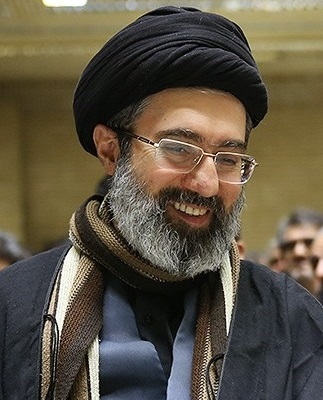
Mojtaba Khamenei
Iranian politician and cleric (born 1969)
Mojtaba Hosseini Khamenei (born 8 September 1969) is an Iranian politician and Muslim cleric. The second eldest child of Ali Khamenei, the former supreme leader of Iran, Mojtaba Khamenei served in the Iran–Iraq War from 1987 to 1988, and also reportedly took control of the Basij that was used to sup...
Entity Intersection Graph
Connections for Mojtaba Khamenei:
Mentioned Entities
Deep Analysis
Why It Matters
The appointment of Mojtaba Khamenei as Iran's new Supreme Leader represents a critical transition of power in one of the Middle East's most influential nations, directly affecting Iran's 85 million citizens and its regional foreign policy. This leadership change will shape Iran's domestic governance, nuclear negotiations, and relationships with global powers including the United States, Israel, and Saudi Arabia. The succession carries significant implications for regional stability, oil markets, and the future of the 2015 nuclear deal, making it a matter of international concern.
Context & Background
- The Supreme Leader is Iran's highest authority, combining political and religious leadership under the country's theocratic system established after the 1979 Islamic Revolution
- Previous Supreme Leader Ali Khamenei (Mojtaba's father) held power for 35 years from 1989 until his recent passing, making him one of the longest-serving Middle Eastern leaders
- Succession planning has been a sensitive topic in Iran for years, with debates about whether leadership should remain within the Khamenei family or follow other clerical lines
- The Assembly of Experts, an 88-member body of Islamic scholars, is constitutionally responsible for selecting the Supreme Leader
- Iran's Supreme Leader controls the military, judiciary, and media while appointing key positions including the head of judiciary and commanders of Revolutionary Guards
What Happens Next
In the coming weeks, expect formal confirmation ceremonies and Mojtaba Khamenei's first major policy addresses outlining his vision for Iran. International diplomatic engagements will likely follow as world leaders assess the new leadership. Key developments to watch include potential cabinet reshuffles, early indications of foreign policy direction (particularly regarding nuclear negotiations and regional proxy groups), and domestic reactions from reformist and conservative factions within Iran's political landscape.
Frequently Asked Questions
The Supreme Leader serves as commander-in-chief of armed forces, appoints military leaders and judiciary heads, approves presidential candidates, and sets overall state policy direction. This position holds ultimate authority over all branches of government despite Iran's elected presidency and parliament.
Mojtaba Khamenei's stance on nuclear negotiations will determine whether Iran pursues diplomacy or accelerates its program. His early statements and appointments to nuclear negotiation teams will signal whether he maintains his father's cautious approach or adopts new strategies.
Domestic policies on economic reform, social freedoms, and internet restrictions may shift depending on the new leader's priorities. Many Iranians will watch for changes in economic management amid ongoing inflation and international sanctions affecting daily life.
Neighboring Gulf states and Israel will carefully analyze the new leader's foreign policy orientation toward regional conflicts and proxy relationships. Initial diplomatic communications and security assessments will help determine whether existing tensions escalate or new dialogue opportunities emerge.
While Mojtaba had been discussed as a potential successor for years, the formal selection process within the Assembly of Experts remained opaque. Some analysts expected more contentious debate given questions about hereditary succession in what's theoretically a merit-based clerical system.