
Who is Iran’s new supreme leader, Mojtaba Khamenei?
#Mojtaba Khamenei #Supreme Leader #Iran #succession #Ayatollah Ali Khamenei #hardliners #dynastic rule
📌 Key Takeaways
- Mojtaba Khamenei is a potential successor to Iran's current Supreme Leader, Ayatollah Ali Khamenei.
- He is the son of the current Supreme Leader, raising concerns about dynastic rule in Iran.
- Mojtaba holds significant influence within Iran's political and religious circles, particularly among hardliners.
- His potential ascension could impact Iran's domestic policies and international relations.
🏷️ Themes
Iranian politics, Leadership succession
📚 Related People & Topics
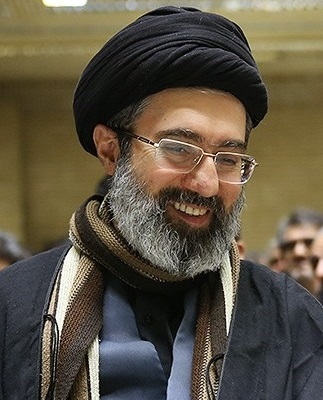
Mojtaba Khamenei
Iranian politician and cleric (born 1969)
Mojtaba Hosseini Khamenei (born 8 September 1969) is an Iranian politician and Muslim cleric. The second eldest child of Ali Khamenei, the former supreme leader of Iran, Mojtaba Khamenei served in the Iran–Iraq War from 1987 to 1988, and also reportedly took control of the Basij that was used to sup...
Entity Intersection Graph
Connections for Mojtaba Khamenei:
Mentioned Entities
Deep Analysis
Why It Matters
The potential succession of Mojtaba Khamenei as Iran's next supreme leader matters because it would determine the future direction of Iran's domestic and foreign policies for decades. This affects Iran's 85 million citizens, regional neighbors in the Middle East, global powers involved in nuclear negotiations, and international energy markets. The transition could either maintain the current hardline trajectory or potentially shift Iran's approach to economic reforms and international relations, with significant implications for regional stability and global security.
Context & Background
- Iran's supreme leader is the highest authority in Iran's political system, with ultimate control over military, judiciary, media, and foreign policy decisions
- The position has been held by Ayatollah Ali Khamenei since 1989, following the death of revolutionary leader Ayatollah Ruhollah Khomeini
- Succession discussions have intensified as the current supreme leader, aged 85, has faced health challenges in recent years
- Mojtaba Khamenei is the second son of the current supreme leader and has been groomed for leadership roles within Iran's political-religious establishment
- The Assembly of Experts, an 88-member body of Islamic scholars, is constitutionally responsible for selecting the next supreme leader
What Happens Next
When the current supreme leader passes away or becomes incapacitated, the Assembly of Experts will convene to select his successor, with Mojtaba Khamenei considered a leading candidate. This transition will likely trigger immediate political maneuvering among Iran's power factions, including the Revolutionary Guards, clerical establishment, and reformist elements. The succession process could take days to weeks, during which Iran may experience heightened internal security measures and careful management of public messaging to maintain stability.
Frequently Asked Questions
The supreme leader controls Iran's armed forces (including the Revolutionary Guards), appoints key officials like judiciary heads and media directors, and sets foreign policy direction. This position holds veto power over all major government decisions and can override elected bodies including the presidency and parliament.
The Assembly of Experts, elected every eight years by Iranian voters from a pool of vetted candidates, chooses the supreme leader. Candidates must meet religious qualifications as marja (source of emulation) or recognized Islamic jurists, though political considerations often influence the final selection.
Critics argue his succession would establish a hereditary leadership system contradicting Iran's revolutionary ideals of meritocracy. Supporters point to his decades of experience within Iran's power structures and his understanding of the political-religious system his father helped build.
A new supreme leader could either continue current hardline positions or potentially adopt more pragmatic approaches to international negotiations. The transition period itself might delay diplomatic progress as the new leadership establishes its priorities and negotiating positions.
Other potential candidates include senior clerics like Ayatollah Ahmad Jannati (head of the Assembly of Experts), Ayatollah Ebrahim Raisi (current president), or compromise candidates from Iran's traditional clerical establishment in Qom who might bridge factional divides.