
Words of defiance: Iran’s new Supreme Leader Mojtaba Khamenei lashes at US
#Iran #Mojtaba Khamenei #Supreme Leader #US #defiance #speech #foreign policy
📌 Key Takeaways
- Mojtaba Khamenei, Iran's new Supreme Leader, delivers a defiant speech targeting the US.
- The speech emphasizes Iran's resistance to US influence and policies.
- It signals continuity in Iran's hardline stance under new leadership.
- The address likely addresses regional tensions and Iran's strategic posture.
🏷️ Themes
Iran-US relations, Leadership change
📚 Related People & Topics
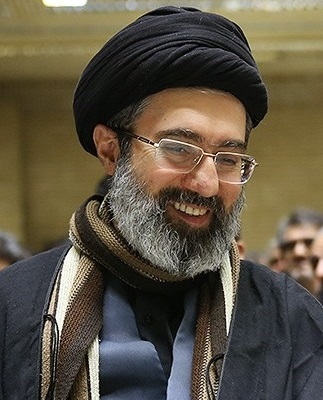
Mojtaba Khamenei
Iranian politician and cleric (born 1969)
Mojtaba Hosseini Khamenei (born 8 September 1969) is an Iranian politician and Muslim cleric. The second eldest child of Ali Khamenei, the former supreme leader of Iran, Mojtaba Khamenei served in the Iran–Iraq War from 1987 to 1988, and also reportedly took control of the Basij that was used to sup...
Entity Intersection Graph
Connections for Mojtaba Khamenei:
Mentioned Entities
Deep Analysis
Why It Matters
This development matters because it signals continuity in Iran's confrontational foreign policy under new leadership, directly affecting regional stability in the Middle East and U.S.-Iran relations. It impacts global energy markets due to Iran's oil exports and potential disruptions to shipping lanes. The rhetoric also influences ongoing nuclear negotiations and could escalate tensions with Israel and Gulf Arab states, while affecting Iranian citizens who face economic hardships from sanctions.
Context & Background
- Iran's Supreme Leader holds ultimate authority over foreign policy, military, and judiciary, with the position previously held by Ali Khamenei (Mojtaba's father) for 35 years until his death in 2024
- U.S.-Iran relations have been hostile since the 1979 Islamic Revolution, with recent tensions over Iran's nuclear program, support for proxy groups, and sanctions
- Mojtaba Khamenei was previously head of the Office of the Supreme Leader and was considered a hardline conservative with close ties to the Islamic Revolutionary Guard Corps
- Iran has been under severe U.S. sanctions since 2018 when the Trump administration withdrew from the nuclear deal, crippling its economy
- The Supreme Leader succession was carefully managed by Iran's political and military establishment to ensure continuity of the Islamic Republic's ideological foundations
What Happens Next
Expect intensified rhetoric against the U.S. and Israel in coming weeks as Mojtaba establishes his leadership credentials. Watch for potential military provocations by Iranian proxies in Iraq, Syria, or Yemen to test U.S. responses. Nuclear negotiations will likely stall further as Iran takes a harder line. Regional allies like Russia and China may increase diplomatic and economic support to counter U.S. pressure. Internal crackdowns on dissent are probable to consolidate power.
Frequently Asked Questions
Mojtaba Khamenei is the son of former Supreme Leader Ali Khamenei and previously served as head of his father's office. He was selected by Iran's Assembly of Experts, a clerical body, following his father's death, continuing the family's control over Iran's highest office despite not being widely known publicly.
The new leadership will likely maintain or accelerate nuclear advancements while rejecting Western demands. Iran may further reduce cooperation with International Atomic Energy Agency inspectors and increase uranium enrichment levels, bringing it closer to weapons capability while denying such intentions.
Iranians will likely face continued economic hardship as sanctions remain and foreign investment stays limited. Domestic repression may increase as the new leader consolidates power, particularly against women's rights activists and political dissidents who challenged the previous regime.
Gulf Arab states like Saudi Arabia and UAE are cautiously monitoring the situation while maintaining diplomatic channels. Israel views this as a threat escalation and may increase covert operations against Iranian targets. Regional proxies like Hezbollah will reaffirm loyalty to the new leadership.
Direct negotiations appear unlikely given the defiant rhetoric and ideological positioning. Any diplomatic engagement would require third-party mediation and would face significant obstacles regarding sanctions relief, nuclear limits, and Iran's regional activities that the U.S. considers destabilizing.