
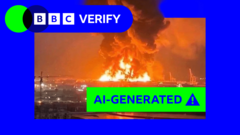
AI-generated Iran war videos surge as creators use new tech to cash in
#AI-generated #Iran war #videos #content creators #monetization #misinformation #ethical concerns
📌 Key Takeaways
- AI-generated videos depicting the Iran war are increasing in number.
- Content creators are utilizing new AI technology to produce these videos.
- The primary motivation for creators is financial gain through monetization.
- This trend raises concerns about misinformation and ethical content creation.
🏷️ Themes
AI Misinformation, Digital Ethics
Entity Intersection Graph
No entity connections available yet for this article.
Deep Analysis
Why It Matters
This development matters because it represents a dangerous new frontier in digital misinformation where AI-generated content can manipulate public perception of international conflicts. It affects global citizens who consume news online, journalists trying to verify information, and policymakers who must make decisions based on accurate intelligence. The monetization aspect creates financial incentives for bad actors to produce increasingly convincing fake content, potentially escalating tensions between nations and undermining trust in legitimate media sources.
Context & Background
- AI-generated deepfake technology has advanced rapidly since 2018, with tools becoming more accessible and convincing
- Iran has been involved in regional conflicts and tensions with Western nations for decades, making it a frequent subject of geopolitical misinformation
- Social media platforms have struggled with content moderation for years, particularly around conflict zones and politically sensitive topics
- Previous instances of AI-generated conflict footage have emerged around the Ukraine war, demonstrating this is an evolving trend rather than isolated incident
What Happens Next
Social media platforms will likely implement new detection systems for AI-generated conflict content within 3-6 months, potentially using watermarking or metadata verification. Governments may introduce legislation requiring disclosure of AI-generated political content ahead of upcoming elections. Expect increased collaboration between tech companies and intelligence agencies to identify and track the sources of these monetized misinformation campaigns.
Frequently Asked Questions
Look for inconsistencies in lighting, physics, or human movements that appear unnatural. Check multiple reputable news sources for verification, and be skeptical of videos that appear only on platforms known for monetizing engagement without fact-checking.
These creators monetize through advertising revenue, sponsorships, or platform incentive programs that reward high engagement. Conflict content generates strong emotional reactions that drive views, comments, and shares, creating financial incentives for misinformation.
YouTube, TikTok, and X (formerly Twitter) are particularly vulnerable due to their algorithmic promotion of engaging content and varying levels of moderation. These platforms' revenue-sharing models directly incentivize creators to produce attention-grabbing material regardless of accuracy.
Yes, convincing AI-generated footage could potentially escalate tensions by creating false narratives about military actions or casualties. Such content might influence public opinion, diplomatic relations, or even military responses if not quickly debunked by authorities.