
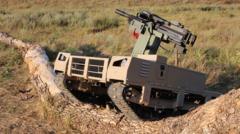
Armed robots take to the battlefield in Ukraine war
#Ukraine #armed robots #battlefield #autonomous warfare #military technology #unmanned systems #reconnaissance
📌 Key Takeaways
- Ukraine deploys armed ground robots in combat operations.
- Robots are used for reconnaissance and direct engagement with enemy forces.
- This marks a significant shift towards autonomous warfare technology.
- The development highlights the increasing role of unmanned systems in modern conflicts.
📖 Full Retelling
🏷️ Themes
Military Technology, Autonomous Warfare
Entity Intersection Graph
No entity connections available yet for this article.
Deep Analysis
Why It Matters
This development matters because it represents a significant evolution in modern warfare, potentially reducing human casualties by replacing soldiers with machines in dangerous frontline roles. It affects military strategists globally who must adapt to this new battlefield reality, defense contractors developing autonomous systems, and Ukrainian and Russian forces who gain tactical advantages but also face new ethical dilemmas. The proliferation of armed robots could accelerate an international arms race in autonomous weapons while fundamentally changing the nature of ground combat.
Context & Background
- Unmanned ground vehicles (UGVs) have been in development since World War II, with early versions used for bomb disposal and reconnaissance
- The U.S. military has tested armed robots like the SWORDS system since the early 2000s, though ethical concerns limited deployment
- Ukraine has become a testing ground for military technology, with both sides innovating drone warfare throughout the conflict
- International debates about lethal autonomous weapons systems (LAWS) have occurred at the UN since 2014 without binding agreements
- Previous conflicts in Syria and Libya saw limited use of armed drones and remote-controlled weapons, but not at Ukraine's scale
What Happens Next
Military analysts expect increased deployment of armed robots throughout 2024, with both sides likely scaling production. NATO countries may accelerate their own autonomous weapons programs in response. The UN Convention on Certain Conventional Weapons will likely hold emergency sessions about battlefield robots in early 2025. Ukraine's defense industry plans to unveil new robot models by late 2024, while Russia may showcase counter-drone systems at military exhibitions.
Frequently Asked Questions
Reports indicate both sides deploy various systems including small tracked robots with machine guns, drone-tank hybrids, and remote-controlled armored vehicles. These range from commercial modifications to purpose-built military platforms, with Ukraine developing several indigenous models through its Brave1 defense tech initiative.
Current battlefield robots in Ukraine appear to be remotely operated by human controllers rather than fully autonomous. However, they incorporate increasing autonomy for navigation and targeting assistance. Military experts note the technology is progressing toward greater independence in decision-making.
Robots allow persistent presence in dangerous areas without risking soldiers, enabling 24/7 surveillance and rapid response. They force adversaries to develop new countermeasures and electronic warfare tactics. This shifts the advantage toward technologically advanced forces while changing traditional infantry roles.
Primary concerns include accountability for autonomous decisions, potential for malfunction or hacking, and lowering the threshold for using force. Human rights organizations warn about removing human judgment from lethal decisions, while military lawyers debate compliance with international humanitarian law.
Analysts believe Ukraine's battlefield testing accelerates development worldwide, with China, the U.S., and European nations investing heavily. Smaller nations may seek affordable robotic systems, potentially proliferating advanced weapons. This could destabilize regional conflicts and challenge existing arms control frameworks.