
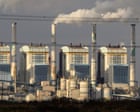
Asia ramps up use of dirty fuels to cover energy shortfall triggered by Iran war
📖 Full Retelling
📚 Related People & Topics

Asia
Continent
Asia ( AY-zhə, UK also AY-shə) is the largest continent in the world by both land area and population. It covers an area of more than 44 million square kilometres, about 30% of Earth's total land area and 8% of Earth's total surface area. The continent, which has long been home to the majority of ...
List of wars involving Iran
This is a list of wars involving the Islamic Republic of Iran and its predecessor states. It is an unfinished historical overview.
Entity Intersection Graph
Connections for Asia:
Mentioned Entities
Deep Analysis
Why It Matters
This development matters because it represents a significant environmental and energy policy reversal for Asia, which had been making progress toward cleaner energy sources. The shift to 'dirty fuels' like coal and heavy fuel oil will increase greenhouse gas emissions and air pollution, affecting public health across the continent. Energy-dependent economies in Asia face difficult trade-offs between energy security and climate commitments, while global climate goals become harder to achieve. This affects billions of people through higher pollution levels, potential energy price volatility, and long-term climate impacts.
Context & Background
- Asia has been the world's fastest-growing energy consumer for decades, with China and India leading demand growth
- Many Asian countries had committed to reducing coal dependence under international climate agreements like the Paris Accord
- The region had been investing heavily in renewable energy infrastructure before this crisis, with China leading in solar and wind capacity installation
- Iran is a major oil and gas exporter to Asia, particularly to China, India, Japan and South Korea
- Previous Middle East conflicts have triggered global energy crises, most notably the 1973 oil embargo and 1990 Gulf War price spikes
- Asia's energy mix has historically been coal-heavy due to domestic reserves and affordability concerns
What Happens Next
Asian governments will likely face pressure to implement temporary environmental regulation waivers to facilitate increased dirty fuel usage. Energy prices may become more volatile as markets adjust to changed supply patterns. International climate negotiations will become more contentious as Asian countries cite energy security concerns. We can expect emergency energy summits among Asian nations within weeks to coordinate response strategies. Long-term renewable energy investments may be delayed or redirected toward fossil fuel infrastructure.
Frequently Asked Questions
Dirty fuels typically refer to high-emission energy sources like coal, heavy fuel oil, and certain petroleum products that release significant pollutants when burned. These fuels produce more greenhouse gases and particulate matter than cleaner alternatives like natural gas, renewables, or nuclear power.
Iran is a major oil and gas exporter to Asian markets, particularly China and India. Conflict disrupts production and shipping through the Strait of Hormuz, a critical chokepoint for 20-30% of global oil trade. Asia's heavy dependence on Middle Eastern energy makes it vulnerable to regional instability.
This represents a major setback as Asia accounts for over half of global emissions. Increased dirty fuel use will make Paris Agreement targets harder to achieve and may encourage other regions to prioritize energy security over climate commitments. International climate diplomacy will face new challenges.
Energy-import dependent nations like Japan, South Korea, and India face immediate challenges. China has more domestic coal but faces pollution trade-offs. Southeast Asian nations with growing energy demands may accelerate fossil fuel projects previously planned for phase-out.
Alternatives include accelerating renewable deployment, increasing LNG imports, restarting nuclear plants where available, and implementing aggressive energy conservation measures. However, these options often require more time, infrastructure, or investment than immediately increasing dirty fuel usage.