
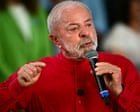
Brazilian president says he has ‘forbidden’ Trump adviser from visiting country
#Brazil #Lula #Steve Bannon #Trump adviser #travel ban #far-right #democracy #political interference
📌 Key Takeaways
- Brazilian President Luiz Inácio Lula da Silva has banned former Trump adviser Steve Bannon from entering Brazil.
- The decision is linked to Bannon's alleged involvement in anti-democratic activities and support for far-right movements.
- This action reflects Brazil's stance against foreign interference in its political affairs.
- The ban underscores ongoing tensions between Brazil's current government and far-right influences.
📖 Full Retelling
🏷️ Themes
Political Ban, Foreign Interference
📚 Related People & Topics

Luiz Inácio Lula da Silva
President of Brazil (2003–2011; since 2023)
Luiz Inácio Lula da Silva (born Luiz Inácio da Silva; 27 October 1945), known mononymously as Lula, is a Brazilian politician, trade unionist and former metalworker who has served as the 39th president of Brazil since 2023. A member of the Workers' Party, Lula was also the 35th president from 2003 t...

Brazil
Country in South America
Brazil, officially the Federative Republic of Brazil, is the largest country in South America. It is also the world's fifth-largest country by area and the seventh-largest by population, with over 213 million people. The country is a federation composed of 26 states and a Federal District, which hos...

Steve Bannon
American media executive and political strategist (born 1953)
Stephen Kevin Bannon (born November 27, 1953) is an American media executive, political strategist, pundit and former investment banker. He served as the White House's chief strategist for the first seven months of President Donald Trump's first administration before Trump fired him. He is a former ...
Entity Intersection Graph
Connections for Luiz Inácio Lula da Silva:
Mentioned Entities
Deep Analysis
Why It Matters
This diplomatic incident matters because it signals escalating tensions between Brazil's leftist government and conservative U.S. political figures, potentially affecting bilateral relations. It impacts Brazilian-American diplomatic channels, conservative political networks seeking international alliances, and Brazil's domestic politics where President Lula positions himself against far-right ideologies. The move could influence how other Latin American governments engage with U.S. political figures outside official channels, and may complicate future diplomatic exchanges between the two largest democracies in the Americas.
Context & Background
- President Luiz Inácio Lula da Silva returned to power in 2023 after defeating far-right incumbent Jair Bolsonaro, who was a close ally of Donald Trump
- Brazil-U.S. relations have fluctuated dramatically depending on which political factions hold power in each country over the past decade
- Steve Bannon, former Trump strategist, has actively supported far-right movements globally including Brazil's Bolsonaro movement
- Lula previously served as president from 2003-2010 and maintained warmer relations with Democratic U.S. administrations than Republican ones
- Brazil has historically balanced relations between major powers while asserting its sovereignty in foreign policy decisions
What Happens Next
The Brazilian government will likely formalize the travel ban through official channels in coming days. U.S. conservative figures may respond with criticism of Lula's administration, potentially affecting congressional attitudes toward Brazil. Diplomatic communications between the two countries' foreign ministries will address the incident while maintaining working relations on other issues. The banned adviser's organization may attempt legal challenges or seek alternative ways to influence Brazilian politics remotely.
Frequently Asked Questions
While the article doesn't specify, it likely refers to Steve Bannon or another prominent Trump-aligned figure known for supporting far-right movements internationally. These advisers have been active in global politics since Trump's presidency, particularly in supporting ideological allies abroad.
Yes, Brazil has sovereign authority to deny entry to foreign nationals under its immigration laws, particularly if the government believes the visitor could threaten public order or national security. Such bans are uncommon but not unprecedented in diplomatic practice between nations.
Official government-to-government relations may continue with caution, as both countries have significant economic and strategic interests. However, political relations between Lula's government and U.S. conservative circles will likely deteriorate, potentially affecting cooperation on specific issues where partisan alignment matters.
Public announcement serves domestic political purposes by demonstrating Lula's opposition to far-right influences, reinforces Brazil's sovereignty in foreign policy decisions, and sends a clear message to other foreign political actors about acceptable engagement with Brazilian politics.
While uncommon, Brazil has previously restricted entry of controversial foreign figures. During Bolsonaro's presidency, some left-wing figures faced difficulties, illustrating how Brazilian immigration policy can reflect the sitting government's political orientation toward foreign actors.
This move reinforces Lula's positioning against far-right influences ahead of municipal elections, potentially energizing his base while provoking opposition criticism. It may also discourage open foreign support for opposition candidates, changing how international political networks engage with Brazilian politics.