

How the US far right bought into the myth of white South Africa’s persecution
#US far right #white persecution #South Africa #apartheid #white nationalism #propaganda #racial politics
📌 Key Takeaways
- The US far right has adopted a narrative of white persecution in South Africa, influenced by historical apartheid-era propaganda.
- This myth is used to bolster white nationalist ideologies and recruit supporters by framing white South Africans as victims.
- The narrative often ignores the systemic oppression of Black South Africans under apartheid and the ongoing challenges of post-apartheid society.
- It reflects a broader trend of far-right groups leveraging international issues to advance domestic political agendas.
📖 Full Retelling
🏷️ Themes
Far-right ideology, Racial narratives
📚 Related People & Topics
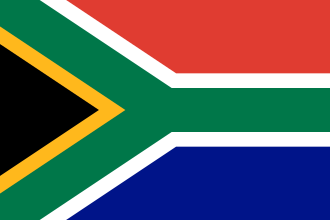
South Africa
Country in Southern Africa
South Africa, officially the Republic of South Africa (RSA), is the southernmost country in Africa. Its nine provinces are bounded to the south by 2,798 kilometres (1,739 miles) of coastline that stretches along the South Atlantic and Indian Ocean; to the north by the neighbouring countries of Namib...
Entity Intersection Graph
Connections for South Africa:
Mentioned Entities
Deep Analysis
Why It Matters
This news matters because it reveals how disinformation about South Africa's racial history is being weaponized internationally to fuel white nationalist movements. It affects global race relations by exporting distorted narratives that undermine reconciliation efforts in post-apartheid South Africa. The article exposes how these myths provide ideological ammunition for far-right groups seeking to validate white grievance politics worldwide, potentially influencing immigration policies and international relations.
Context & Background
- Apartheid was South Africa's system of institutionalized racial segregation and discrimination from 1948 to 1994
- Nelson Mandela's African National Congress (ANC) won the first democratic elections in 1994, ending white minority rule
- Truth and Reconciliation Commission (1996-2003) documented human rights violations during apartheid
- Post-apartheid South Africa implemented affirmative action policies to address historical inequalities
- White South Africans (approximately 8% of population) still control disproportionate economic resources
- Farm murders have become a contentious political issue with conflicting statistics about racial targeting
What Happens Next
Increased monitoring of international far-right networks promoting these narratives, potential diplomatic tensions if US politicians amplify these claims, possible fact-checking initiatives by South African and international media, and continued debate about land reform policies in South Africa that may be misrepresented abroad.
Frequently Asked Questions
The myth claims white South Africans face systematic persecution and genocide since apartheid ended, despite evidence showing they remain economically privileged. This narrative exaggerates isolated incidents while ignoring structural advantages white South Africans maintain.
They use South Africa as a cautionary tale to argue against multiculturalism and racial equality initiatives in the US. The distorted narrative serves as propaganda to mobilize supporters around white identity politics and opposition to immigration.
These claims are widely debunked by researchers and human rights organizations. While farm violence exists, statistics don't support genocide claims, and white South Africans have lower murder rates than other racial groups in the country.
During apartheid, some US conservatives supported South Africa's white government as anti-communist allies. Today's connections involve shared online ecosystems, with figures like Steve Bannon promoting similar ethnonationalist ideologies across borders.
It creates diplomatic friction when US politicians amplify false narratives, potentially undermining cooperation on trade, security, and development. South African officials have repeatedly condemned foreign interference in their domestic racial issues.