Who / What
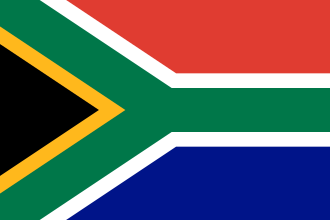
"South African" refers to a person holding citizenship or nationality of the Republic of South Africa. It describes individuals connected to the country through birth, descent, or naturalization. The term encompasses people from diverse ethnic, cultural, and linguistic backgrounds within South Africa.
Background & History
The concept of a South African national identity evolved significantly following the formation of the Union of South Africa in 1910, which united former British colonies and Boer republics. Citizenship laws have been shaped by the country's complex history, including the apartheid era (1948-1994) and the democratic transition. The post-apartheid constitution established a unified non-racial citizenship framework in 1994.
Why Notable
South Africans have made significant global contributions in fields including politics (Nelson Mandela), literature (Nadine Gordimer), science (Sydney Brenner), and business. The diversity of South African society represents a unique convergence of African, European, and Asian influences. Their history of overcoming apartheid has made South Africans symbolic of resilience and reconciliation worldwide.
In the News
South Africans frequently appear in international news due to the country's role as an economic powerhouse and political leader in Africa. Recent developments include debates around immigration policies, land reform, and South Africa's positioning in global geopolitics. The nation's responses to contemporary challenges like energy crises and economic inequality remain closely watched.