

Iran vows to fight on in first message issued in name of Mojtaba Khamenei
#Iran #Mojtaba Khamenei #resistance #political message #leadership transition
📌 Key Takeaways
- Iran pledges continued resistance in a message attributed to Mojtaba Khamenei
- This marks the first public statement issued under Mojtaba Khamenei's name
- The message signals potential future political influence for Mojtaba Khamenei
- It reinforces Iran's stance of defiance against external pressures
📖 Full Retelling
🏷️ Themes
Iranian Politics, Leadership
📚 Related People & Topics
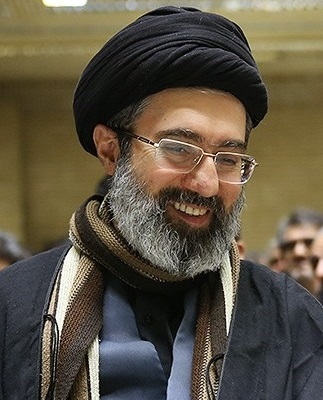
Mojtaba Khamenei
Iranian politician and cleric (born 1969)
Mojtaba Hosseini Khamenei (born 8 September 1969) is an Iranian politician and Muslim cleric. The second eldest child of Ali Khamenei, the former supreme leader of Iran, Mojtaba Khamenei served in the Iran–Iraq War from 1987 to 1988, and also reportedly took control of the Basij that was used to sup...

Iran
Country in West Asia
# Iran **Iran**, officially the **Islamic Republic of Iran** and historically known as **Persia**, is a sovereign country situated in West Asia. It is a major regional power, ranking as the 17th-largest country in the world by both land area and population. Combining a rich historical legacy with a...
Entity Intersection Graph
Connections for Mojtaba Khamenei:
Mentioned Entities
Deep Analysis
Why It Matters
This development matters because it signals a potential succession plan within Iran's highest leadership, which could affect regional stability and international relations. Mojtaba Khamenei's emergence as a public figure suggests preparation for a future leadership role, impacting Iran's domestic politics and foreign policy direction. This affects neighboring countries, global powers engaged with Iran, and Iranian citizens who may face changing governance approaches.
Context & Background
- Ayatollah Ali Khamenei has been Iran's Supreme Leader since 1989, holding ultimate authority over all state matters
- Mojtaba Khamenei is the second son of the Supreme Leader and has been a influential behind-the-scenes figure in Iranian politics
- Succession in Iran's theocratic system is opaque and contentious, with previous transitions causing political turmoil
- The Revolutionary Guards and clerical establishment play key roles in determining leadership succession
What Happens Next
Increased scrutiny of Mojtaba Khamenei's public appearances and statements will follow, with analysts watching for signs of official endorsement. Internal power struggles may intensify between different factions within Iran's political establishment. International observers will monitor how this affects Iran's nuclear negotiations and regional proxy activities in coming months.
Frequently Asked Questions
Mojtaba Khamenei is the second son of Iran's Supreme Leader Ayatollah Ali Khamenei. He has maintained a low public profile but is believed to wield significant influence within Iran's political and religious establishments.
This represents the first official message issued in Mojtaba Khamenei's name, suggesting his formal emergence as a political figure. It may indicate preparations for future leadership transition in Iran's complex power structure.
Iran's Supreme Leader is selected by the Assembly of Experts, an elected body of Islamic scholars. The process is secretive and influenced by political factions, military leaders, and clerical networks rather than hereditary succession.
The phrase likely refers to continuing Iran's regional policies and resistance against Western influence. It suggests continuity in Iran's strategic approach despite potential leadership changes.
Regional rivals and Western powers will analyze whether new leadership would change Iran's nuclear stance or support for proxy groups. Stability during transition could impact diplomatic negotiations and regional tensions.