
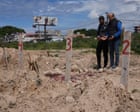
Lebanese forced to bury their dead twice as war robs them of final goodbyes
📖 Full Retelling
📚 Related People & Topics

Lebanon
Country in West Asia
Lebanon, officially the Lebanese Republic, is a country in the Levant region of West Asia. Situated at the crossroads of the Mediterranean Basin and the Arabian Peninsula, it is bordered by Syria to the north and east, Israel to the south, and the Mediterranean Sea to the west; Cyprus lies a short d...
Entity Intersection Graph
Connections for Lebanon:
View full profileMentioned Entities
Deep Analysis
Why It Matters
This news highlights the profound human cost of conflict that extends beyond immediate casualties, affecting families' ability to mourn properly and maintain cultural traditions. It matters because it demonstrates how war disrupts fundamental human rituals and dignity, creating psychological trauma that compounds physical losses. The situation affects Lebanese civilians caught in conflict zones, humanitarian workers trying to maintain basic services, and diaspora communities separated from their homeland during times of crisis. This erosion of death rituals represents a deeper societal breakdown that will have lasting impacts on community cohesion and individual healing long after active fighting ends.
Context & Background
- Lebanon has experienced multiple conflicts including the 1975-1990 civil war, 2006 Israel-Hezbollah war, and ongoing political instability
- Traditional Lebanese funeral practices typically involve specific religious rituals, family gatherings, and burial in ancestral plots
- The country has faced severe economic collapse since 2019, with currency losing 98% of value and public services deteriorating
- Lebanon hosts approximately 1.5 million Syrian refugees alongside its own population of 6.8 million, creating additional strain on resources
- The country's infrastructure, including cemeteries and mortuary services, has been damaged by various conflicts and lacks maintenance
What Happens Next
Humanitarian organizations will likely document these violations of death rituals as part of broader human rights reporting on the conflict. Affected families may seek temporary burial solutions or digital memorials while awaiting safer conditions. International bodies might pressure warring parties to establish humanitarian corridors for dignified burials. The psychological impact will manifest in increased demand for trauma counseling services in affected communities. Long-term, this may lead to changes in Lebanese funeral traditions and increased diaspora involvement in memorial practices.
Frequently Asked Questions
Active fighting makes cemeteries inaccessible, infrastructure damage prevents proper mortuary services, and safety concerns prevent families from gathering for traditional funeral rituals. Many areas lack electricity and refrigeration for body preservation, forcing rushed burials.
Families initially bury loved ones in temporary graves during active conflict, then later exhume and rebury them in proper family plots when conditions allow. This process compounds grief and violates cultural norms about final resting places.
Diaspora members cannot participate in funeral rituals or visit graves, creating unresolved grief and disconnection from homeland traditions. Many rely on digital communications for memorials but miss physical participation in mourning practices.
Lebanese funeral customs typically include specific religious ceremonies, three-day mourning periods with community visits, shared meals of remembrance, and burial in consecrated family plots - all of which become impossible during active conflict.
Local religious institutions, the Lebanese Red Cross, and international humanitarian groups attempt to provide dignified burial assistance when possible. However, security constraints severely limit their operations in active conflict zones.
Incomplete mourning processes can lead to complicated grief, generational trauma, and disrupted family narratives. The inability to perform death rituals properly may create lasting psychological wounds that require specialized mental health interventions.