
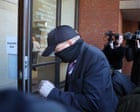
Man admits preventing lawful burial in relation to 30 bodies found at Hull funeral home
#Hull #funeral home #burial #bodies #legal case #investigation #guilty plea
📌 Key Takeaways
- A man has pleaded guilty to preventing lawful burial of human remains.
- The case involves 30 bodies discovered at a funeral home in Hull.
- The admission is part of an ongoing investigation into the funeral home's practices.
- Legal proceedings are continuing to address the full scope of the incident.
📖 Full Retelling
🏷️ Themes
Legal, Funeral Home Scandal
📚 Related People & Topics
Entity Intersection Graph
Connections for Hull:
View full profileMentioned Entities
Deep Analysis
Why It Matters
This case matters because it involves serious breaches of public trust in the funeral industry, causing immense distress to grieving families who believed their loved ones were being properly cared for. It affects the 30 families directly involved, who now face the trauma of learning their relatives' remains were mishandled, and it undermines confidence in funeral services across the region. The legal admission highlights systemic failures in regulatory oversight of funeral homes, potentially prompting industry-wide reforms and stricter enforcement to prevent similar incidents.
Context & Background
- The bodies were discovered at a funeral home in Hull, England, following concerns raised about the facility's practices.
- Funeral homes in the UK are regulated by the Funeral Planning Authority and local authorities, but oversight has been criticized as inconsistent.
- Previous scandals in the UK funeral industry include the 2018 case at a funeral home in Sheffield where bodies were stored in inadequate conditions.
- The legal charge of 'preventing lawful burial' is a common law offense in England and Wales, carrying a maximum penalty of life imprisonment.
- Hull has faced economic challenges in recent decades, which may relate to resource constraints in regulatory monitoring of local businesses.
What Happens Next
The man will likely face sentencing in the coming months, with the court considering the severity of the offense and its impact on families. An investigation may continue into other individuals or systemic issues at the funeral home. Regulatory bodies are expected to review oversight practices, potentially leading to stricter licensing requirements or increased inspections for funeral homes in the region.
Frequently Asked Questions
It is a common law offense in England and Wales involving actions that interfere with the proper burial or cremation of a body. This can include hiding remains, failing to dispose of them lawfully, or treating them with disrespect, and it carries serious penalties.
The bodies were found after concerns were raised about the funeral home's operations, likely by staff, families, or regulatory authorities. Investigations led to the grim discovery of 30 bodies that had not been handled according to legal and ethical standards.
Families are being supported by police and victim support services, including counseling and legal guidance. Local authorities and funeral industry groups may also provide assistance to help them navigate the emotional and practical aftermath.
While most funeral homes operate ethically, this case highlights gaps in regulation. It may prompt nationwide reviews to ensure proper oversight, but isolated incidents do not imply widespread issues across the industry.
He could face imprisonment, as preventing lawful burial carries a maximum sentence of life. The court will consider factors like the number of victims, duration of the offense, and impact on families in determining the punishment.