
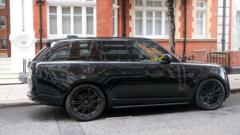
Mayor to consider new charges for SUVs in London
#London #SUV charges #emissions #air quality #mayor #transportation #pollution
📌 Key Takeaways
- London's mayor is evaluating new charges specifically for SUVs to reduce emissions.
- The proposal targets SUVs due to their higher pollution levels compared to smaller vehicles.
- This initiative aligns with broader efforts to improve air quality in the city.
- If implemented, it could influence urban transportation policies and consumer vehicle choices.
🏷️ Themes
Urban Policy, Environmental Regulation
📚 Related People & Topics
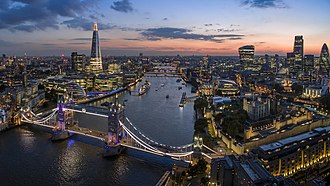
London
Capital of England and the United Kingdom
London is the capital and largest city of both England and the United Kingdom, with a population of 9.1 million people in 2024. Its wider metropolitan area is the largest in Western Europe, with a population of 15.1 million. London stands on the River Thames in southeast England, at the head of a 50...
Entity Intersection Graph
Connections for London:
Mentioned Entities
Deep Analysis
Why It Matters
This proposal matters because it addresses London's chronic air pollution and traffic congestion problems, which have significant public health and environmental impacts. It affects SUV owners who would face additional costs, residents who breathe polluted air, and businesses involved in vehicle sales and transportation. The policy could set a precedent for other major cities grappling with similar urban mobility challenges.
Context & Background
- London already has several congestion and emissions charges including the Congestion Charge (introduced 2003) and Ultra Low Emission Zone (ULEZ expanded 2021)
- SUVs have grown from 7% of UK car sales in 2010 to over 40% today, contributing to increased emissions despite efficiency improvements
- Transport for London data shows road transport accounts for approximately half of London's air pollution, with PM2.5 and NOx levels regularly exceeding WHO guidelines
What Happens Next
The Mayor's office will likely commission a formal study on implementation options and economic impacts within 3-6 months. Public consultation is expected in late 2024 or early 2025, with potential pilot programs in specific boroughs by 2026. Legal challenges from automotive industry groups and political opposition could delay or modify the final policy.
Frequently Asked Questions
SUVs are targeted because they're typically heavier and less fuel-efficient than standard cars, producing more emissions per mile. They also occupy more road and parking space, worsening congestion. The policy aims to discourage the trend toward larger vehicles in dense urban environments.
While ULEZ charges vehicles based on emissions standards regardless of size, this proposal would specifically penalize SUVs based on their vehicle class. It represents a shift from regulating emissions technology to influencing consumer vehicle choice and urban vehicle mix.
Likely exemptions would include disabled-adapted vehicles, emergency services, and potentially commercial vehicles essential for business operations. There may also be income-based discounts for low-income residents who depend on larger vehicles for family or work needs.
Paris voters approved tripling parking fees for SUVs in February 2024, while cities like Oslo and Amsterdam have implemented various weight-based or size-based charges. These policies typically face initial resistance but often gain public acceptance as environmental benefits become visible.
The policy could reduce SUV sales in London while boosting demand for smaller, electric vehicles. It may generate revenue for transport improvements but could disproportionately affect middle-income families who recently purchased SUVs. The automotive industry would likely face pressure to redesign vehicles for urban markets.