
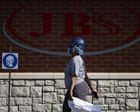
Nearly 4,000 US meatpacking workers to strike at plant run by top Trump donor
#meatpacking #strike #workers #Trump donor #labor dispute #plant #U.S.
📌 Key Takeaways
- Nearly 4,000 meatpacking workers in the U.S. are planning to go on strike.
- The strike is occurring at a plant owned by a major donor to former President Donald Trump.
- The action highlights labor disputes within the meatpacking industry.
- The scale of the strike could significantly impact plant operations and supply.
📖 Full Retelling
🏷️ Themes
Labor Strike, Political Donor
Entity Intersection Graph
No entity connections available yet for this article.
Deep Analysis
Why It Matters
This strike matters because it involves nearly 4,000 workers in a critical food supply chain industry, potentially disrupting meat production and distribution. It highlights ongoing labor tensions in meatpacking plants, which have faced scrutiny over worker safety and wages. The political dimension—targeting a plant owned by a major Trump donor—adds significance as it intersects labor rights with political fundraising and influence. This affects not only the striking workers and their families but also consumers, the company's operations, and political stakeholders monitoring labor relations ahead of elections.
Context & Background
- Meatpacking workers in the U.S. have historically faced challenges such as low wages, hazardous working conditions, and limited union representation, with incidents like the 2020 COVID-19 outbreaks drawing attention to safety issues.
- Labor strikes in the meatpacking industry have occurred periodically, such as the 2021 strike at a Tyson plant over pay and safety, reflecting broader trends of increased worker activism post-pandemic.
- Political donations from industry leaders, including meatpacking plant owners, have influenced policy debates on labor regulations and worker protections, with figures like Trump donors often supporting business-friendly policies.
- The plant in question is part of a larger meatpacking sector dominated by a few major companies, which control significant portions of U.S. beef, pork, and poultry production, impacting food security and pricing.
What Happens Next
The strike is likely to begin imminently, with workers demanding better wages, safety measures, or other concessions. Negotiations between union representatives and plant management will follow, possibly mediated by federal or state labor agencies. If unresolved, the strike could lead to production halts, supply chain disruptions, and increased public or political pressure, with outcomes potentially influencing labor practices industry-wide or sparking similar actions at other plants.
Frequently Asked Questions
Workers are striking due to issues like low wages, unsafe working conditions, or lack of benefits, though specific demands may include pay raises, improved safety protocols, or better healthcare. Such strikes often stem from long-standing grievances in an industry known for physically demanding and risky jobs.
The owner's status as a top Trump donor adds a political layer, potentially drawing attention from media, activists, and politicians. It may influence public perception, with critics linking labor disputes to broader debates over corporate influence and worker rights in politically connected businesses.
A prolonged strike by 4,000 workers could disrupt production at a major plant, leading to temporary shortages or price increases for certain meat products. However, the overall effect depends on the strike's duration and whether other facilities can compensate, with minimal risk to national food security in the short term.
Strikes are not everyday occurrences but have become more frequent in recent years, driven by post-pandemic labor activism and demands for better conditions. Historically, they spike during periods of economic strain or after safety incidents, reflecting worker efforts to leverage collective action for change.