
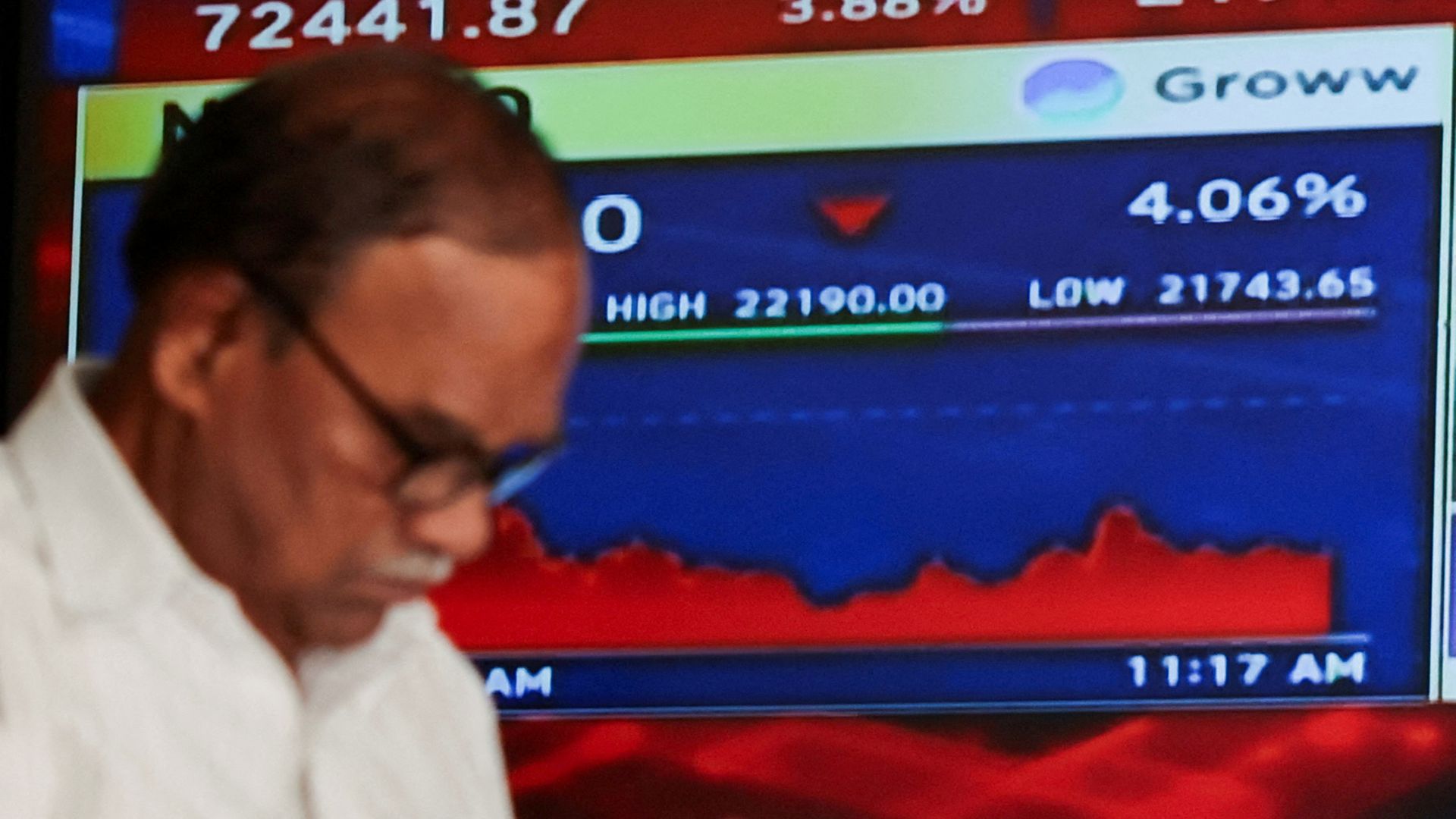
Oil suffers biggest one-day gain in six years as stocks plunge
#oil prices #stock market #geopolitical tensions #supply concerns #investor sentiment
📌 Key Takeaways
- Oil prices surged by over 10% in a single day, marking the largest one-day gain in six years.
- The sharp rise in oil prices coincided with a significant plunge in global stock markets.
- Market volatility was driven by heightened geopolitical tensions and supply concerns.
- The price movement reflects a shift in investor sentiment toward safe-haven assets.
📖 Full Retelling
🏷️ Themes
Market Volatility, Energy Markets
Entity Intersection Graph
No entity connections available yet for this article.
Deep Analysis
Why It Matters
This dramatic oil price surge during a stock market decline signals a major market dislocation that affects global economies, consumers, and investors. The divergence between oil and stock markets suggests unusual market dynamics that could indicate supply constraints, geopolitical tensions, or speculative trading overwhelming traditional correlations. This matters to everyone from drivers facing higher fuel costs to central banks managing inflation pressures to energy companies making investment decisions. The extreme volatility creates uncertainty for both energy-dependent industries and financial markets trying to navigate conflicting signals.
Context & Background
- Oil prices and stock markets typically show some correlation as both respond to economic growth expectations, though the relationship can break down during supply shocks or sector-specific events
- The last comparable oil price surge occurred during the 2014-2016 oil price collapse period when OPEC production decisions created extreme volatility
- Major one-day oil price movements often follow geopolitical events in oil-producing regions, OPEC+ decisions, or unexpected inventory data releases
- The six-year timeframe mentioned suggests this is the largest single-day gain since approximately 2018, potentially surpassing moves seen during the COVID-19 pandemic recovery
- Previous extreme oil price movements have triggered policy responses including strategic petroleum reserve releases, emergency OPEC meetings, and changes in monetary policy
What Happens Next
Markets will watch for OPEC+ commentary and potential emergency meetings to address price volatility. Energy companies may accelerate drilling plans if they believe higher prices will persist. The Federal Reserve and other central banks will monitor whether energy inflation spreads to broader consumer prices. Trading sessions following extreme moves typically see either continuation of the trend or sharp reversals as positions are adjusted. Government energy agencies may release statements about market stability and potential policy responses within the next 48 hours.
Frequently Asked Questions
This divergence suggests oil-specific factors are driving prices, such as supply disruptions, geopolitical tensions in producing regions, or unexpected inventory drawdowns that override broader economic concerns reflected in stock declines. It could also indicate traders positioning for different economic scenarios where energy demand remains strong despite equity market weakness.
Consumers will see immediate impacts through higher gasoline and heating fuel prices, increasing transportation and household energy costs. If sustained, these higher energy prices could filter through to increased prices for goods and services as businesses pass along higher transportation and production costs.
Investors should monitor upcoming oil inventory reports, OPEC+ member statements, and any geopolitical developments in major oil-producing regions. They should also watch for whether the price move sustains through the next trading sessions or reverses sharply, which would indicate whether this was a fundamental shift or temporary volatility.
Yes, if prices continue surging, governments might consider releasing strategic petroleum reserves, pressuring OPEC+ to increase production, or implementing temporary fuel tax reductions. The likelihood increases if the price spike appears driven by market manipulation rather than fundamental supply-demand factors.
Being the largest one-day gain in six years suggests this exceeds volatility seen during most of the pandemic recovery period and approaches levels last seen during the 2014-2016 oil market turmoil. However, it may not yet match the absolute percentage moves seen during the 2008 financial crisis or 1990 Gulf War period.
Energy producers, oil services companies, and alternative energy stocks typically benefit from higher oil prices, while airlines, transportation companies, and energy-intensive manufacturers face immediate cost pressures. The broader market impact depends on whether this represents a supply shock that could slow economic growth.